Every market has its own list of banned ingredients, mandatory label elements, and registration steps. A formula that's compliant in one country can get your container rejected at customs in another. Here's the high-level overview of what to check in each major region before you produce, plus the common pitfalls that catch first-time importers.
This is a guide to where to start, not legal advice. For a final compliance review, work with a regulatory consultant in your destination market.
European Union (EU)
The EU has the strictest cosmetic regulation globally. Key requirements:
- Cosmetic Product Safety Report (CPSR): a safety assessment by a qualified safety assessor. Required for every product.
- CPNP notification: register the product on the Cosmetic Products Notification Portal before sale.
- Responsible Person: a legal entity inside the EU is required as your point of contact for regulators.
- Banned ingredients: Annex II (banned), Annex III (restricted), Annex IV (allowed colorants), V (allowed preservatives), VI (allowed UV filters). Check your formula against the latest annexes.
- Labeling: ingredients in INCI, batch number, expiry or PAO, importer info, all in the language of each member state where sold.
- Animal testing: banned for cosmetics and ingredients.
EU compliance is a real cost: $1,500–$5,000 per product for a CPSR, plus the Responsible Person fee.
United States (FDA, MoCRA)
Lighter pre-market regulation than the EU, but the Modernization of Cosmetics Regulation Act (MoCRA, in force since 2023) added new requirements:
- Facility registration: manufacturing facilities must register with FDA.
- Product listing: each cosmetic product on the US market must be listed.
- Adverse event reporting: serious reactions must be reported to FDA within 15 days.
- Safety substantiation: brands must keep records proving their products are safe.
- Labeling: ingredient list, net weight, distributor info, country of origin.
- Color additives: only FDA-approved colorants. This catches imports often.
- Sunscreens: regulated as OTC drugs, not cosmetics. Different paperwork entirely.
GCC (Gulf Cooperation Council)
UAE, Saudi Arabia, Kuwait, Bahrain, Oman, Qatar. SFDA (Saudi Food and Drug Authority) sets the standards most countries follow.
- Product registration: required for each product before import.
- Halal-friendly formulations: avoid pork-derived ingredients, certain alcohol types. Halal certification is optional but increasingly expected.
- Arabic labeling: ingredients in Arabic on most product labels (rules vary by country).
- Climate-appropriate formulation: products must be stable in 40°C+ summer storage.
ASEAN (Southeast Asia)
The ASEAN Cosmetic Directive harmonizes regulation across member states (Thailand, Singapore, Indonesia, Malaysia, Philippines, Vietnam, Brunei, Myanmar, Laos, Cambodia). Key points:
- Cosmetic product notification: required before sale.
- Indonesia (BPOM) and Thailand (FDA): have additional requirements beyond the ASEAN baseline.
- Halal certification: increasingly required in Indonesia and Malaysia.
- Banned ingredients list: mostly aligned with EU but with some local additions.
Latin America (LATAM)
Country-by-country regulation. Major markets:
- Brazil (ANVISA): Grade I (basic, fast notification) vs Grade II (functional, full registration). Categorization is determined by claims and ingredients.
- Mexico (COFEPRIS): notification system, generally faster than ANVISA.
- Colombia (INVIMA), Argentina (ANMAT), Chile (ISP): each has its own registration system.
- Spanish or Portuguese labeling: required in most markets.
Common pitfalls
- Ingredient assumed safe everywhere isn't. Methylparaben is allowed in the EU and US but restricted in some ASEAN countries. Check the specific market.
- Sunscreen actives. Approved actives differ wildly between regions. A formulation legal in EU may use ingredients not approved in the US.
- Concentration limits. An ingredient may be allowed at 1% but not 5%. Check the limit.
- Claims regulation. "Anti-aging" is a regulated medical claim in some countries, fine in others.
- Color additives. Cosmetic colorants are tightly regulated. Stock formulas often use colorants not approved in your destination market.
- Labels in the wrong language. Common reason for customs holds in non-English markets.
What to ask your manufacturer
Before production, send the manufacturer your destination markets and ask:
- "Is the formula compliant with regulations in [list of countries]?"
- "Are any ingredients restricted or require declaration in those markets?"
- "Do you provide CPSR / GCC product dossier / ASEAN notification documents?"
- "What changes would be needed for [specific market]?"
A factory that can't answer these clearly is not ready to ship to your market.
Bottom line
Compliance isn't optional. Get the regulations right before production, not at customs. Work with a manufacturer who knows your destination markets, and budget for a regulatory consultant ($500–$5,000 per market) for serious launches. The cost of doing this right is dramatically lower than the cost of having a container destroyed at port. For an overview of which documents you'll need, see our documents guide.
Ready to order
Products mentioned in this guide
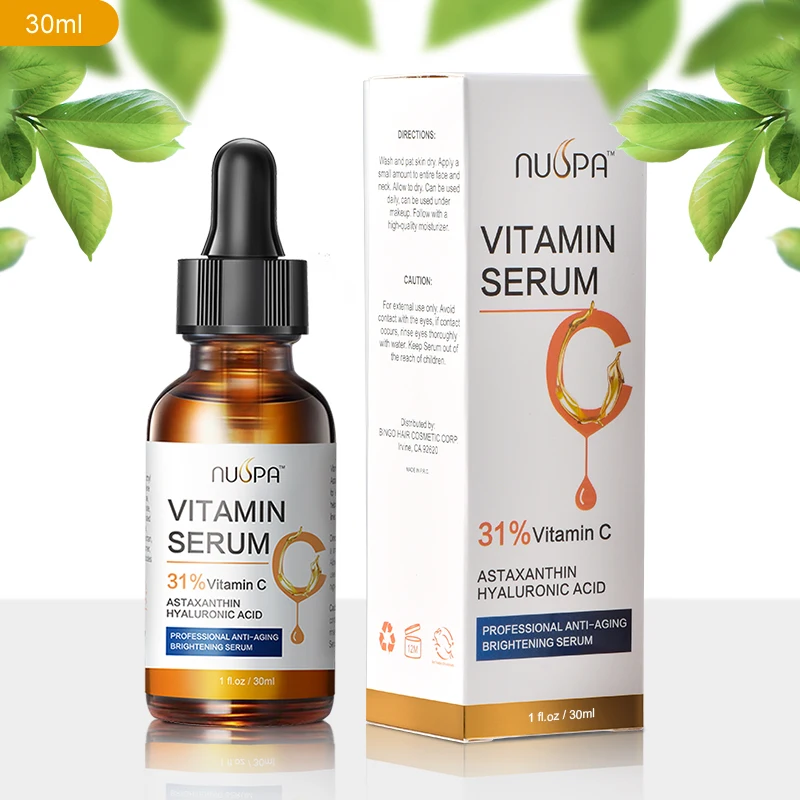
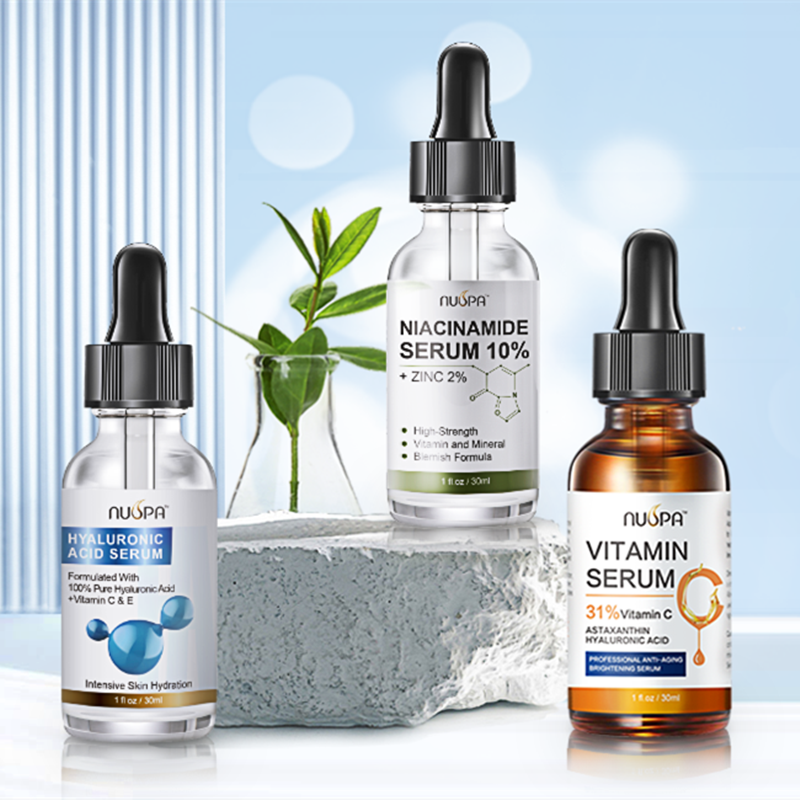
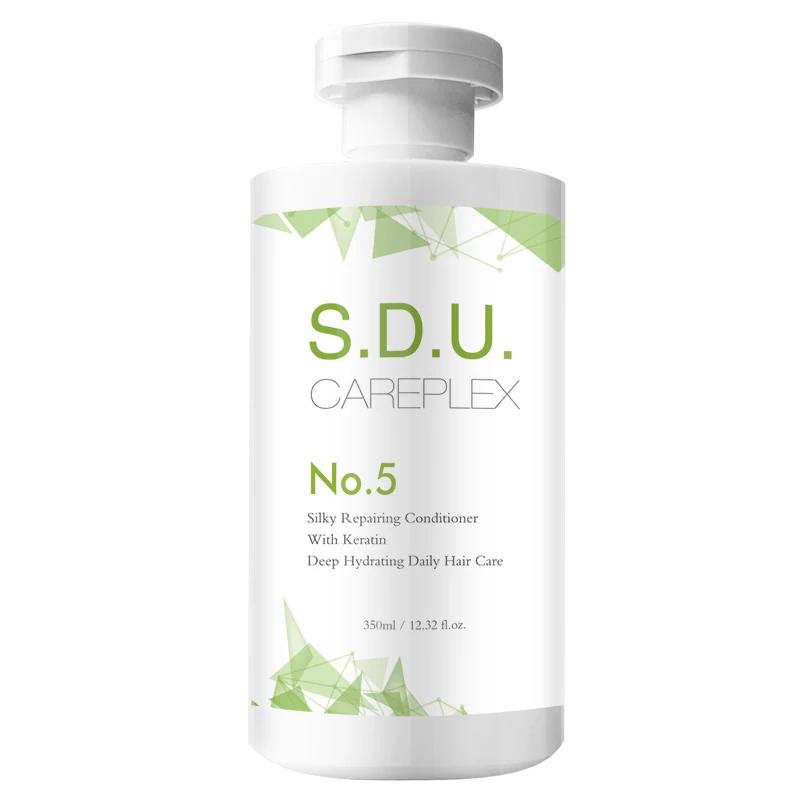
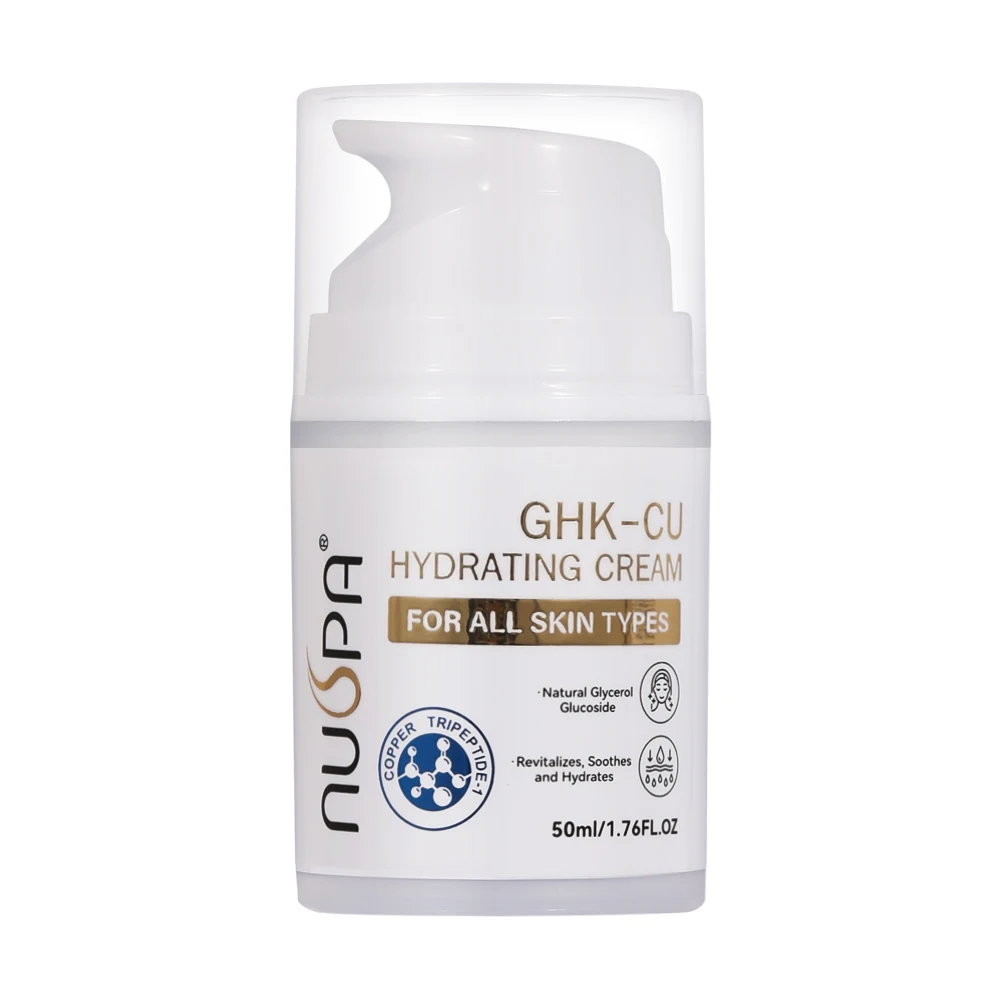
Real SKUs you can request a quote on right now. Each is private label and OEM ready.
Selling into multiple markets?
Tell us your destination markets and we'll flag any compliance issues with your formula or label before production, not after.
Get a Quote