China makes more cosmetics than the rest of the world combined, and the supplier network is enormous. The good news: you can find world-class manufacturers for almost any product category. The bad news: you can also find brokers, drop-shippers, and outright scammers, and they look identical online.
Here's how to source from China without getting burned, based on what experienced importers actually check.
The trader vs factory problem
Maybe 60% of "manufacturers" on B2B marketplaces are trading companies. They take your order, mark it up, and pass it to a real factory. There's nothing inherently dishonest about traders, and a good one adds value (English communication, QC oversight, smaller MOQ flexibility). But if you don't know you're working with a trader, you'll be surprised when:
- Lead times are longer than promised (the trader has to coordinate)
- Issues take days to resolve (chain of communication)
- Factory visits get rescheduled or canceled
- Your "factory contact" can't answer specific manufacturing questions
Eight things to verify before wiring money
- Business license. Ask for the company's Chinese business license. The scope of business should explicitly include cosmetic manufacturing.
- Cosmetic production license. In China, cosmetic manufacturers need a Cosmetic Production License from NMPA. Real factories will share it; traders won't have one.
- Factory audit reports. ISO 22716 or GMPC certification is the baseline for serious cosmetic manufacturers. Ask for the certificate and the audit report.
- Factory video or live tour. Ask for a video walkthrough of the production line, ideally on a video call where you can ask questions in real time.
- Bank account verification. The bank account on the invoice should match the company name on the business license. Mismatches are a major red flag.
- References from existing buyers. Ask for two or three brand names they manufacture for. Verify those brands exist and the factory really does make their products.
- Sample quality. Always test the actual sample. Smell, texture, color, packaging fit, label adhesion. If anything's off at the sample stage, it'll be worse at scale.
- Factory address vs office address. Some traders list a factory address that's actually their office. Cross-check the address on Google Maps and against the business license.
Red flags that mean walk away
- "Free samples" with no logical limit. Real factories charge for samples (the time and materials cost them money).
- Prices dramatically lower than every other quote. Either the quality is lower, the MOQ is higher than stated, or you're being lured in for a price hike later.
- Reluctance to do a video tour or video call.
- Bank account in a personal name rather than the company name.
- Pressure to wire 100% upfront. Standard terms are 30–50% deposit, balance against shipping documents.
- Vague answers about formulation, equipment, or QC. A real factory's chemist can answer specific questions about pH stability, fill weight tolerance, and batch testing.
Payment safety
For first orders with a new supplier, never wire 100% upfront. Standard terms:
- 30–50% deposit on order confirmation
- Balance paid against bill of lading (after the goods are loaded but before they're released to you)
For orders over $20,000, consider a Letter of Credit through your bank. It's more paperwork but the bank acts as escrow. For orders over $50,000, a third-party pre-shipment inspection ($300–$500) is cheap insurance.
Visit the factory (or hire someone who has)
If you can travel, do. A two-day factory visit catches more problems than three months of email. You'll see whether the floor is clean, whether the equipment is what they claimed, whether the staff is the size that can handle your run.
If you can't travel, hire a sourcing agent who's already been there. Or work with a sourcing partner who has on-the-ground relationships. We do this for our clients as part of our factory visit and sourcing services.
After your first order
The relationship is more important than the first order. After you receive the goods:
- Document any defects immediately, with photos and quantities
- Share feedback with the factory, including what worked
- Ask for the formula's batch number, retain a sample for at least 18 months
- Discuss reorder timing. Loyalty is worth real money in price and prioritization.
Bottom line
Sourcing from China isn't risky if you do the diligence. The risks come from skipping it. Verify the business, test samples, never pay 100% upfront, get pre-shipment inspection on first orders, and visit the factory if you can. Most issues are preventable, and most successful brands work with the same Chinese factory partners for years.
Ready to order
Products mentioned in this guide
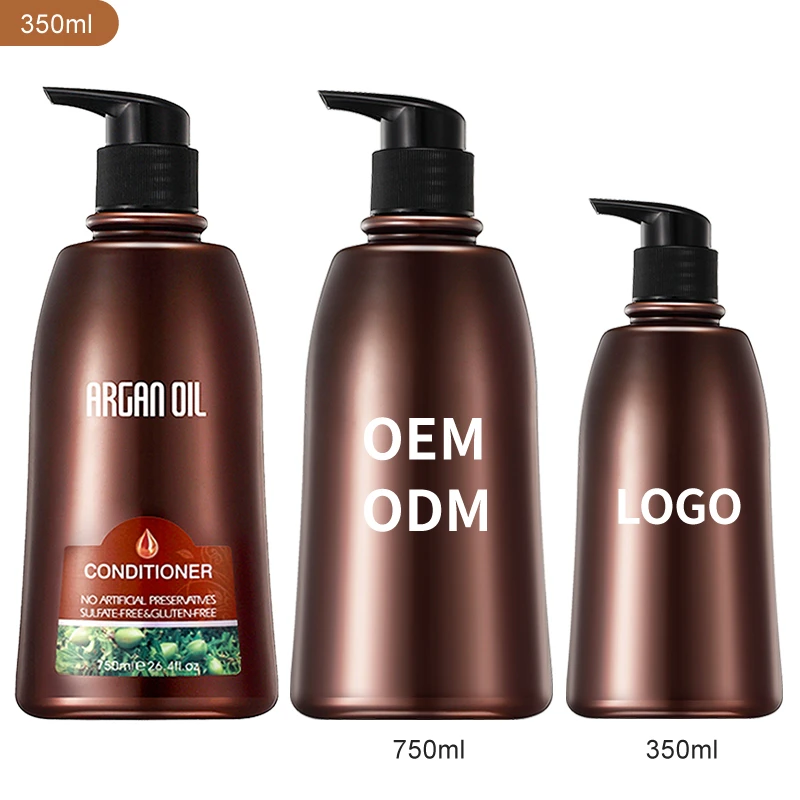
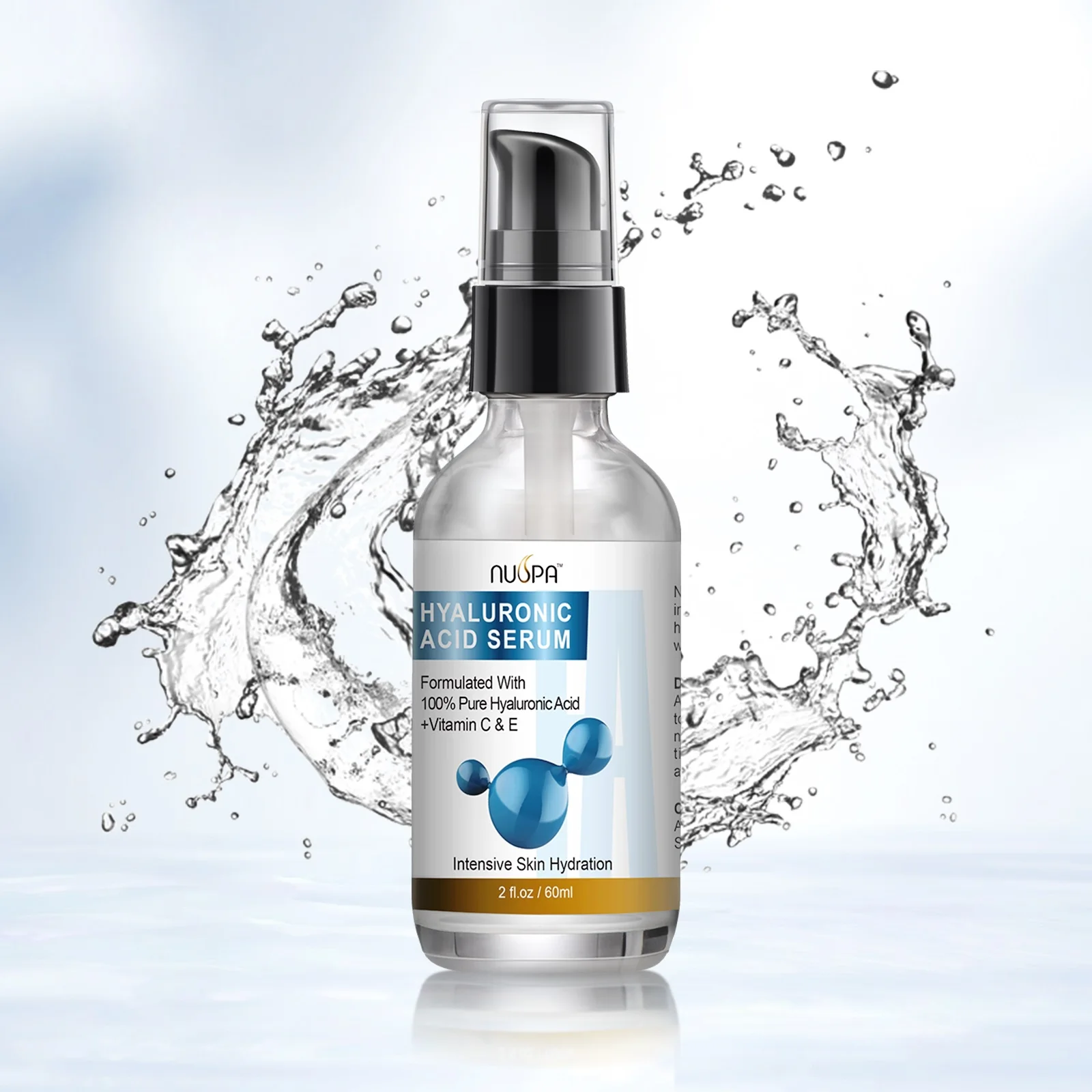
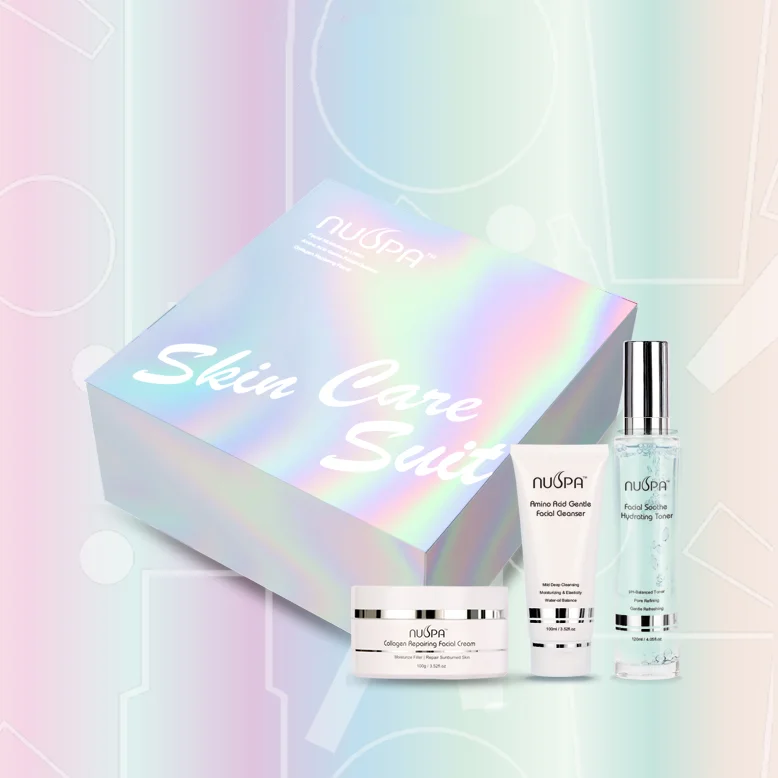
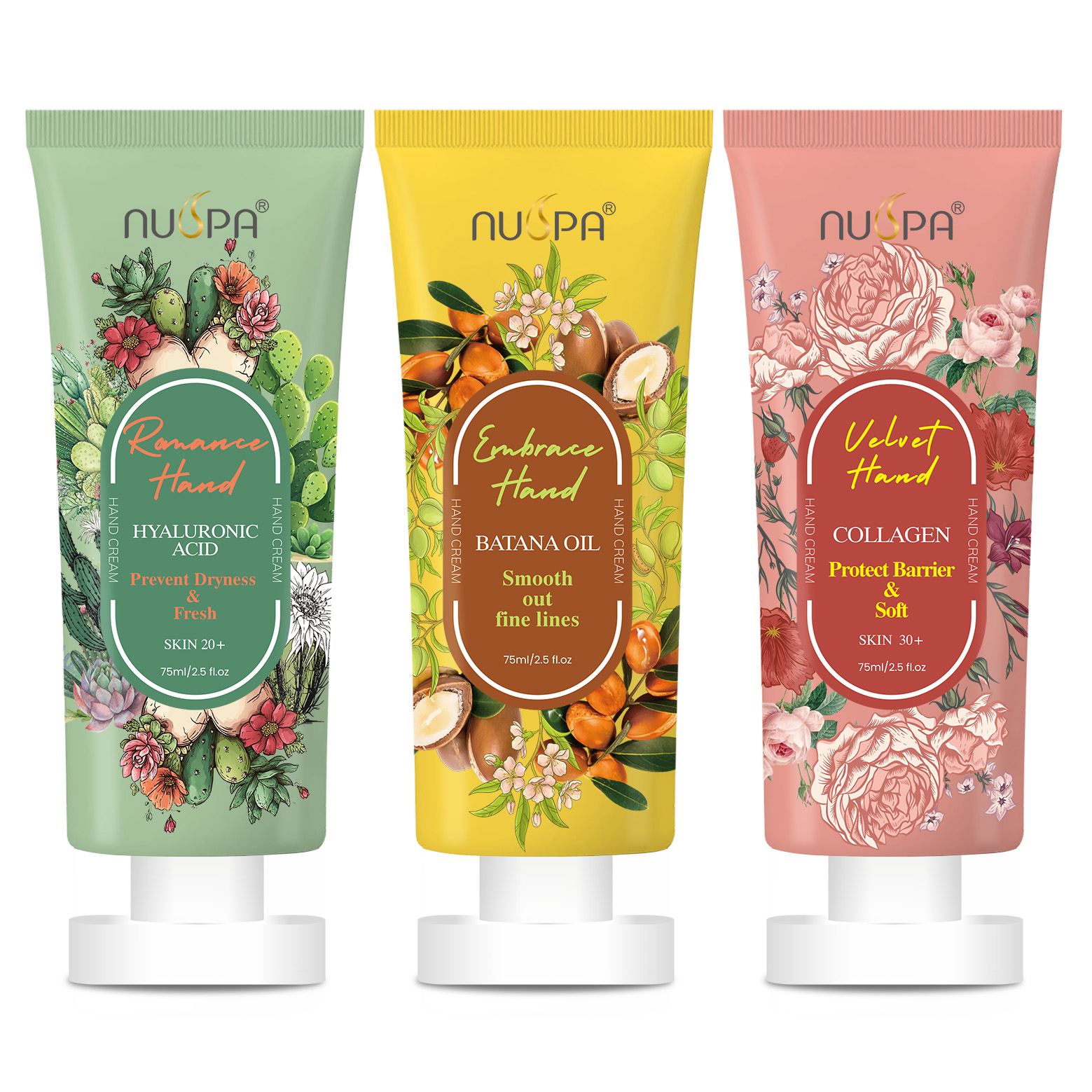
Real SKUs you can request a quote on right now. Each is private label and OEM ready.
Skip the diligence, work with a vetted partner.
We've already done the factory verification, audit reviews, and QC setup. Send us your brief and we'll tell you what's possible and at what cost.
Get a Quote