Every cosmetic factory pitch sounds the same: "we have ISO 22716, we serve 200+ brands, low MOQ, fast lead time, premium quality." The truth lives in the details. Here's a 12-point checklist used by experienced importers to separate real factories from glossy websites.
1. Verify the business license
Ask for a copy of the Chinese business license. Confirm: company name matches the email signatures, the legal address matches what they've told you, the scope of business explicitly includes cosmetic manufacturing (not just trading or wholesale).
Cross-check the company name against China's national credit information system (gsxt.gov.cn) for registration date and capital. Companies registered six months ago with $5,000 in capital are not equipped to manufacture your product.
2. Confirm the cosmetic production license
In China, cosmetic manufacturers need a production license issued by NMPA (National Medical Products Administration). Real factories will share it; trading companies won't have one.
The license specifies what categories the factory can produce (e.g., "general cosmetics" vs "special cosmetics" — special covers things like sunscreen, hair dye, anti-perspirant). Make sure your category is covered.
3. Request audit reports, not just certificates
ISO 22716 and GMPC certificates are easy to display on a website. The audit reports show what the auditor actually found. Ask for the most recent audit report and the audit body's contact info.
Real factories audit annually. If the certificate is more than two years old, it may be expired or pending re-audit. Don't trust a "certified" claim without a current report.
4. Video tour the production line
Schedule a video call where they walk the production floor. You should see: clean rooms, filling machines, capping lines, labeling lines, packing stations, finished goods warehouse, raw material warehouse. Take notes on equipment brands and condition.
Red flags: refusal to do a video tour, only photos available, "the factory is too busy this week" answer repeated multiple times, video tours that don't show specific equipment.
5. Talk to the chemist
A real cosmetic factory has chemists on staff. Ask to speak to one. Test the relationship by asking specific questions:
- "What's your typical preservative system, and why?"
- "How do you handle pH adjustment in this formula?"
- "What's the stability testing protocol for cream products?"
- "What raw material suppliers do you use for [active]?"
If you get vague answers or "let me check with the team and get back to you" for every question, you're talking to sales, not chemistry.
6. Get reference brands
Ask for two or three brand names they manufacture for. Verify those brands exist online. Even better, contact one of those brands and ask about their experience.
Realistic answer: most established brands won't talk about their suppliers (it's competitive intelligence). But the brand names should be checkable, and at least one should be willing to confirm the relationship even if they won't share details.
7. Test multiple samples
Order samples in your actual planned packaging. Test:
- Sensory: smell, color, texture, application feel, residue
- Functional: pump dispensing consistency, dropper drop rate, label adhesion
- Stability: leave samples in hot car for two days, in cold storage for two days. Check for separation, color change, smell change.
- Microbial: if you have access to a lab, check microbial loads. Your audience deserves products that won't grow mold by month four.
8. Check the bank account
The bank account on the invoice should match the company name on the business license, exactly. If they're asking for payment to a personal account, an account in Hong Kong while the factory is in mainland China, or any account name that doesn't match, walk away.
This is the single most common scam pattern: the factory you researched is real, the bank account on the invoice is fake.
9. Ask about QC procedures
Real factories have QC at three stages: incoming raw materials (verify what was delivered matches what was ordered), in-process (check fill weights, label placement during the run), pre-shipment (random sampling of finished cartons).
Ask: "Walk me through your QC checkpoints for a typical production run." A solid answer is specific. A vague answer like "we have QC at every stage" with no details means QC is theoretical, not operational.
10. Verify capacity vs your run size
A factory with 50 employees can't credibly handle 100,000-unit monthly orders. A factory with 500 employees can't economically handle 500-unit runs. Match factory scale to your scale.
Ask: "What's the smallest production run you've done in the last six months? What's the largest? What's typical?" Their answer tells you whether you're an awkward outlier or a typical customer.
11. Confirm payment terms
Standard terms: 30–50% deposit, balance against bill of lading. If they demand 100% upfront, they're either inexperienced or planning to take your money.
Letter of Credit is available for orders over $20,000–30,000. It's more paperwork but the bank acts as escrow. For first orders with new suppliers, this protection is worth the cost.
12. Walk the floor in person (or hire someone who does)
If your order is over $30,000, fly out. Two days at the factory catches more issues than three months of email. You'll see whether the floor is what they showed in the video, whether the staff size matches what they claimed, whether the equipment is in working order.
Can't travel? Hire a sourcing agent or partner who can. Inspection services (SGS, Bureau Veritas, Intertek) charge $400–$800 for a factory audit and report. We do this as part of our factory visit service for our clients.
The two-strike rule
If a factory fails any one of these checks, ask for clarification. If they fail two or evade questions about two, find another factory. The cosmetic manufacturing space in China is huge; there's no reason to settle for a supplier who can't pass basic diligence.
For more on protecting yourself during sourcing, see our sourcing without getting burned guide.
Bottom line
Vetting a factory takes time. Rushing it costs more time. Run through this 12-point checklist before placing your first order, and treat any evasion or vagueness as a signal to keep looking. The factories that pass are the ones you'll work with for years.
Ready to order
Products mentioned in this guide
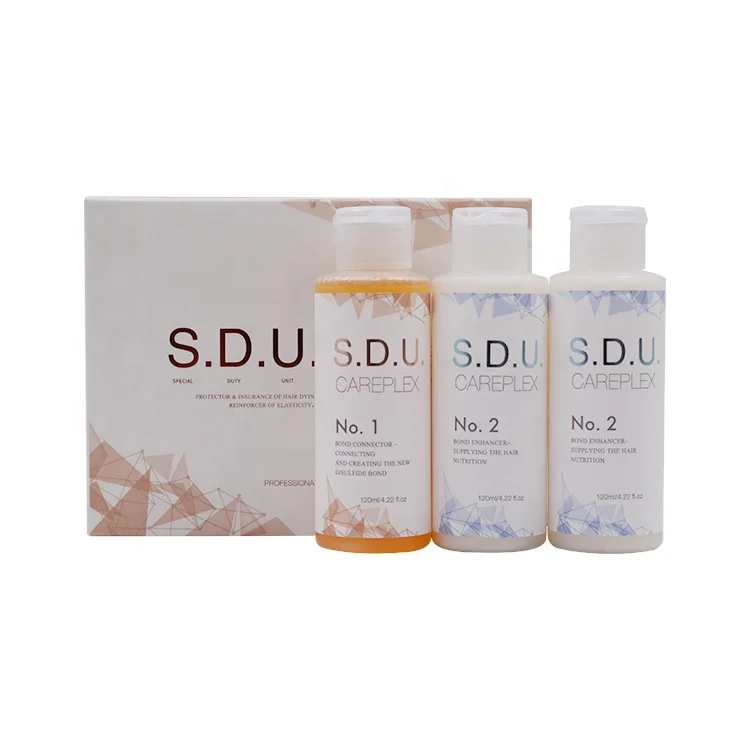
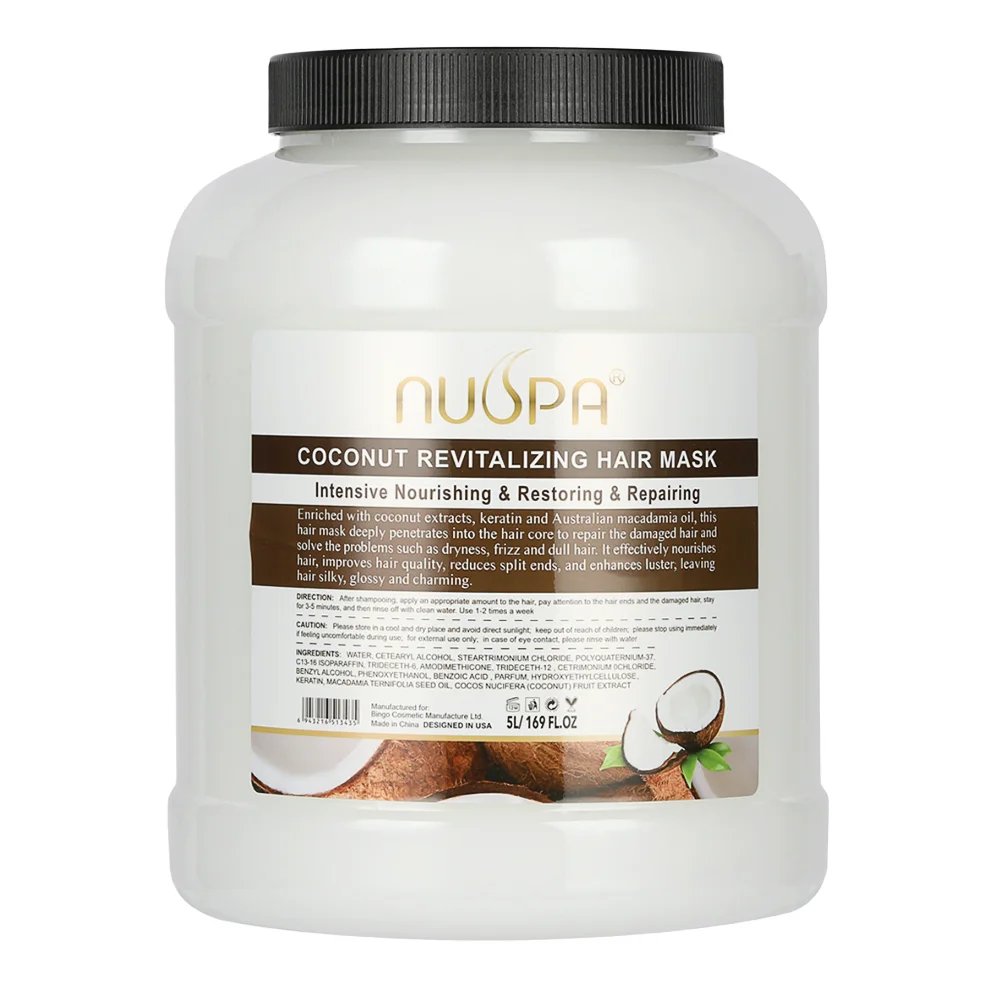
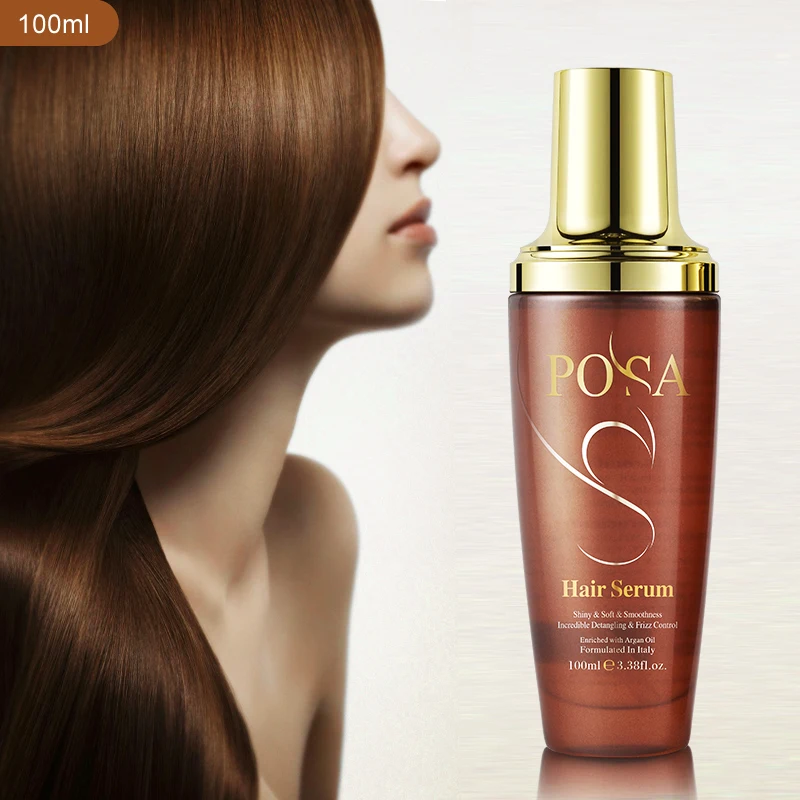
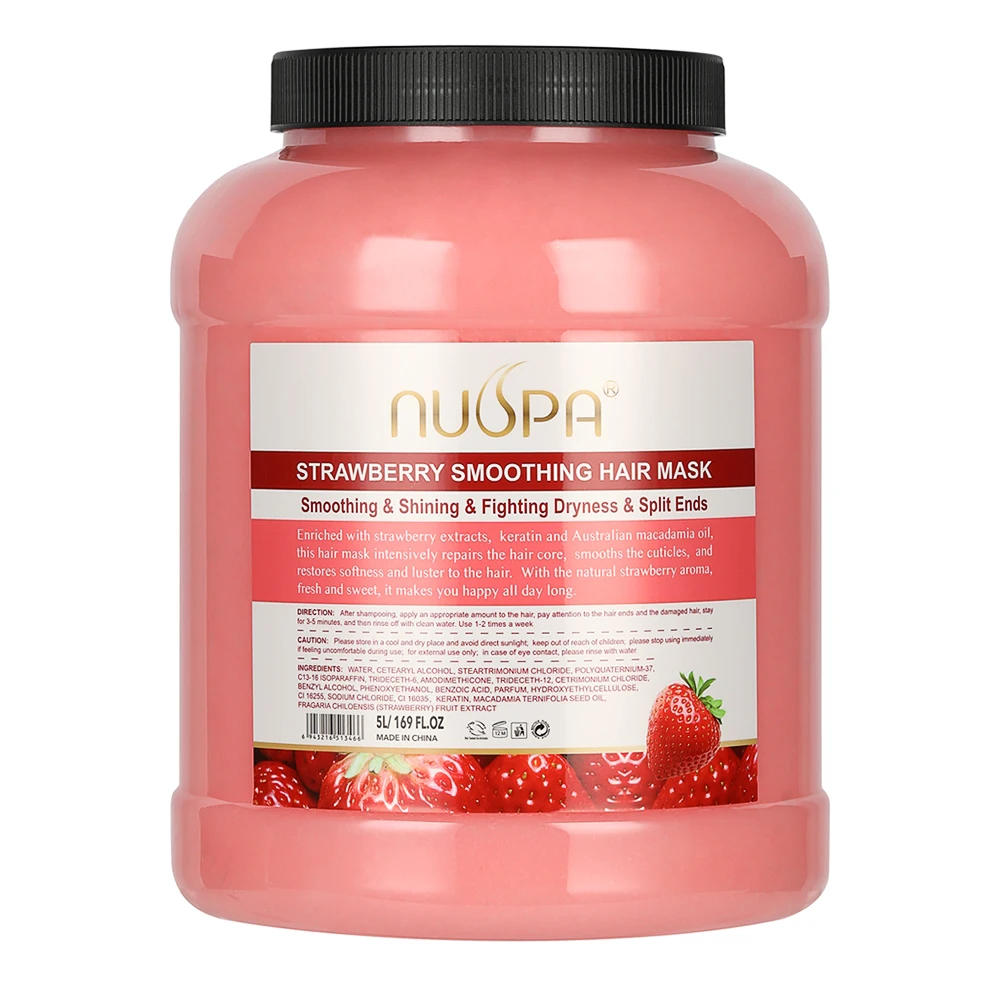
Real SKUs you can request a quote on right now. Each is private label and OEM ready.
Skip the vetting, work with a verified factory.
We work with audited, ISO 22716 certified factories with cosmetic production licenses. Send us a brief and we'll match you with the right one.
Get a Quote