If you've ever stared at a freight bill while customs holds your container hostage because they want a document you've never heard of, this guide is for you. Here's what each cosmetic document actually does, when you need it, and how to read one to make sure your factory isn't just printing a PDF.
COA (Certificate of Analysis)
The most important document for a cosmetic shipment. A COA confirms that a specific batch of product was tested and meets the spec. It includes:
- Batch number (must match the number on the actual product)
- Manufacture date and shelf life
- Physical properties (color, odor, viscosity, pH)
- Microbial test results (total plate count, yeast/mold, pathogens)
- Chemical analysis (moisture, active ingredient assay)
- Pass/fail conclusion and lab signature
When to request: for every batch, before shipment. Who needs it: customs (some countries), retailers (most), distributors (when reselling). A COA without a batch number is a generic template, not a real test report.
MSDS / SDS (Material Safety Data Sheet)
An MSDS describes how to safely handle, store, and ship the product. Cosmetics have low-risk MSDS most of the time, but you still need them for shipping (especially air freight) and for retailer compliance.
An MSDS contains 16 standardized sections including hazards, composition, first-aid measures, fire-fighting, accidental release, handling and storage, exposure controls, physical properties, stability, toxicology, and transport information.
When to request: per product (not per batch), updated every 3–5 years. Who needs it: freight forwarders for hazmat classification, retailers, distributors.
Ingredient list (INCI)
The full list of ingredients in International Nomenclature of Cosmetic Ingredients format. INCI uses standardized names so an ingredient is the same word in every country. The list is ordered from highest concentration to lowest (above 1%; below 1% can be in any order, plus colorants at the end).
When to request: at sample stage and again at production. Make sure the INCI on the packaging matches the formula. Who needs it: regulators in your destination market (it's typically required on the label), retailers verifying ingredient claims, customers checking for allergens.
Factory certificates (GMPC, ISO 22716, BSCI)
These prove the factory itself is operating to international standards.
- ISO 22716: Good Manufacturing Practice for cosmetics. The global baseline. Required for EU cosmetic compliance.
- GMPC: Good Manufacturing Practice Certificate, broader certification recognized in most markets.
- BSCI: Business Social Compliance Initiative. Audits labor practices, not manufacturing. Some EU retailers require it.
When to request: before placing first order. Verify the certificate is current and the audit report is available. A certificate alone proves nothing; the audit report shows what they actually found.
Per-region documentation requirements
- EU: Cosmetic Product Safety Report (CPSR), CPNP notification, Responsible Person designation. Major paperwork requirement.
- US (FDA): facility registration, product listing under MoCRA. Lighter paperwork than EU but still real.
- GCC: SFDA (Saudi) or relevant regulator approval. INCI must be listed in Arabic on labels in some markets.
- UK: SCPN notification, UK Responsible Person. Post-Brexit divergence from EU.
- Australia: NICNAS / AICIS chemical inventory check.
- Canada: Health Canada cosmetic notification within 10 days of first sale.
For a deeper breakdown by region see our compliance guide.
How to read a COA without being fooled
Three checks that catch most fakes:
- Match the batch. The batch number on the COA must match the batch number printed on the actual product. If the factory sends a COA without specifying a batch, ask them to send the one for your specific run.
- Check the test methods. Real COAs reference specific test methods (USP, ISO standards, AOAC). Fake COAs have generic categories with no method citations.
- Verify the lab. If the COA is from a third-party lab, look up the lab. SGS, Bureau Veritas, Eurofins, Intertek are global names. If the lab name doesn't return anything credible, ask for an alternative.
Documents you should keep on file
For every cosmetic product you sell, keep on file (typically 3–7 years):
- COA per batch shipped
- MSDS (current version)
- INCI list and formula spec
- Stability test results
- Microbial challenge test (PET test) results
- Packaging artwork final files
- Factory audit reports
- Import documentation (commercial invoice, packing list, bill of lading)
If a customer reports a reaction or a batch issue surfaces, this paperwork is what protects you.
The bottom line
Cosmetic paperwork sounds boring until your container sits at customs costing $500/day in storage fees. Get the COA, MSDS, and factory certificates from your supplier in writing before shipment, file them properly, and keep them for at least three years. Most issues are preventable if the documentation is in order.
Ready to order
Products mentioned in this guide
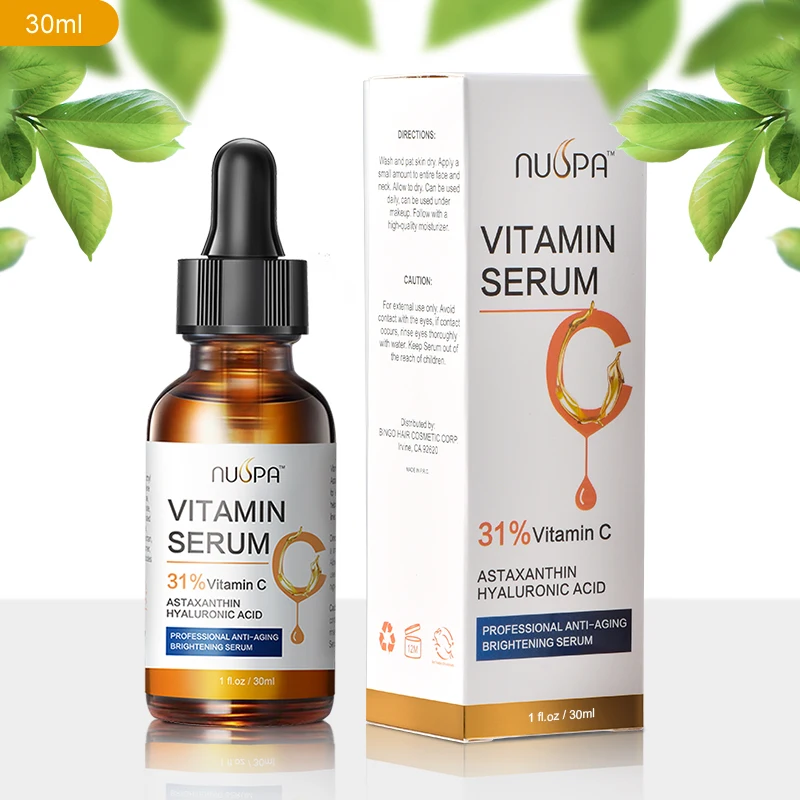
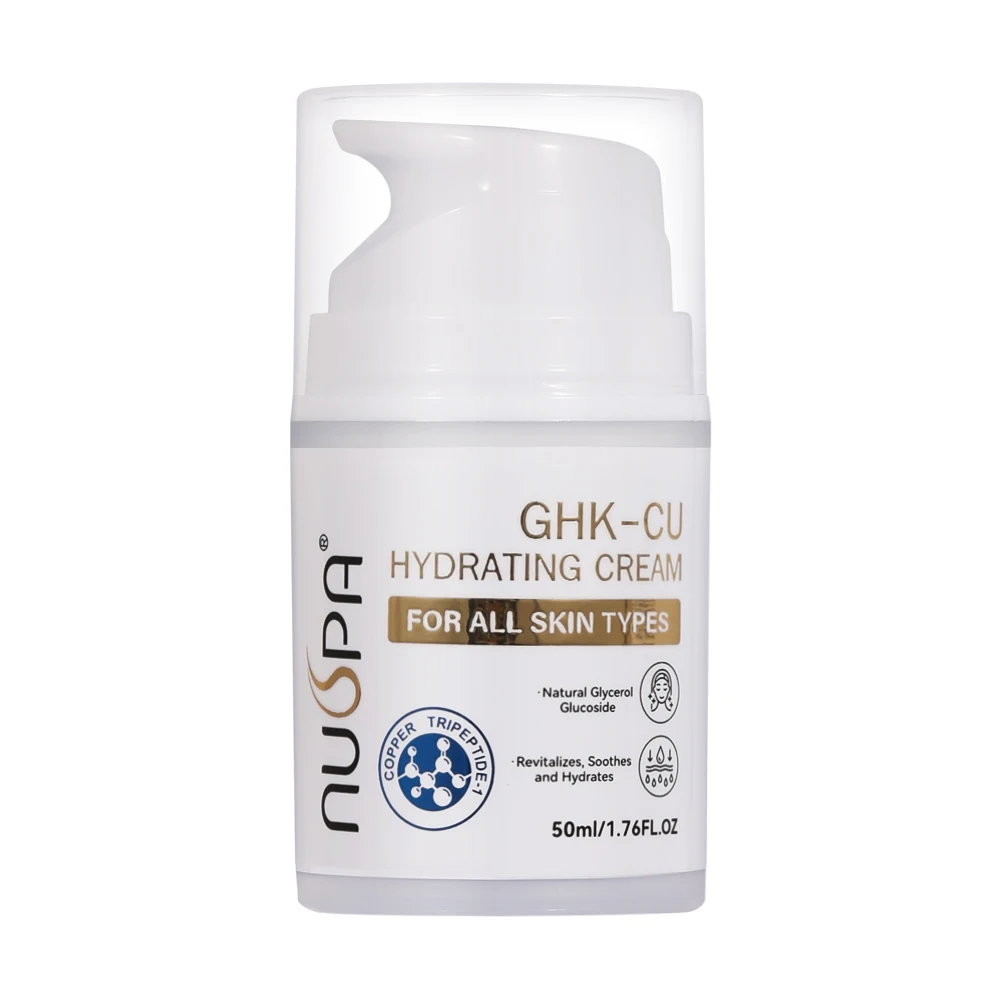
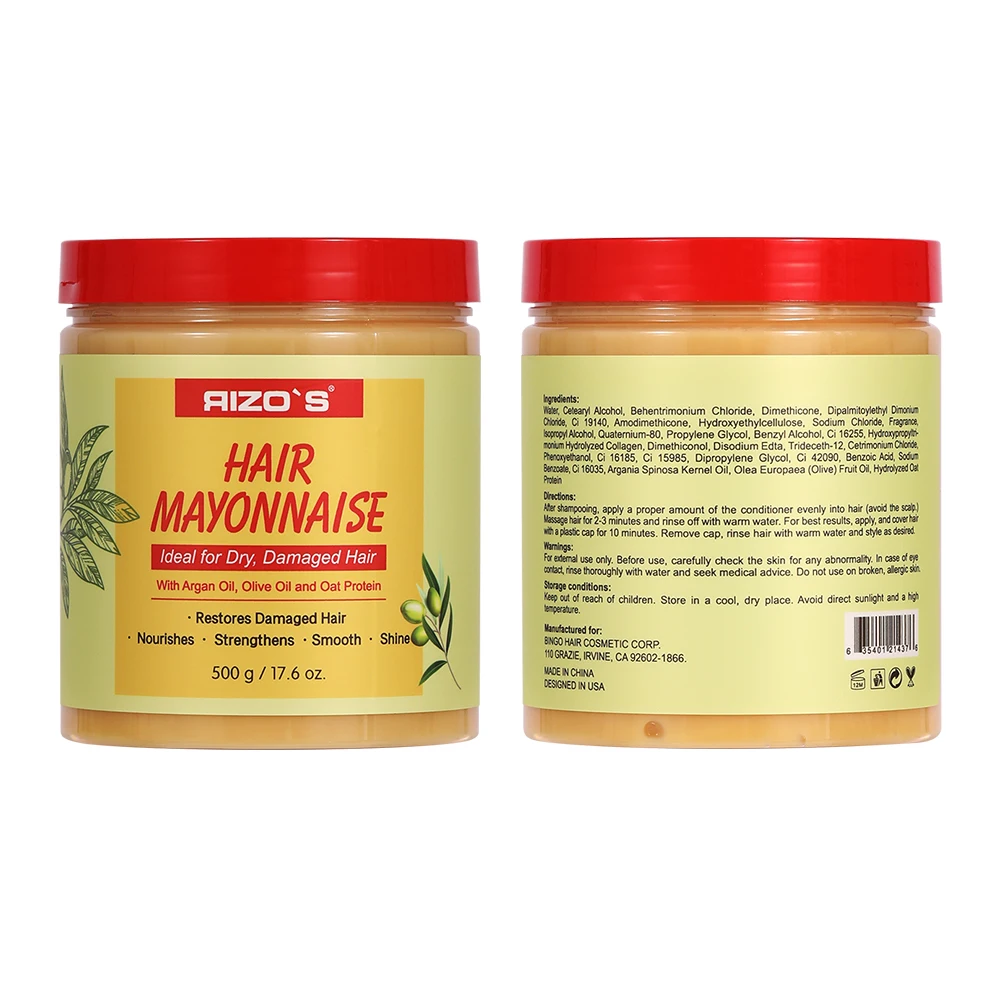
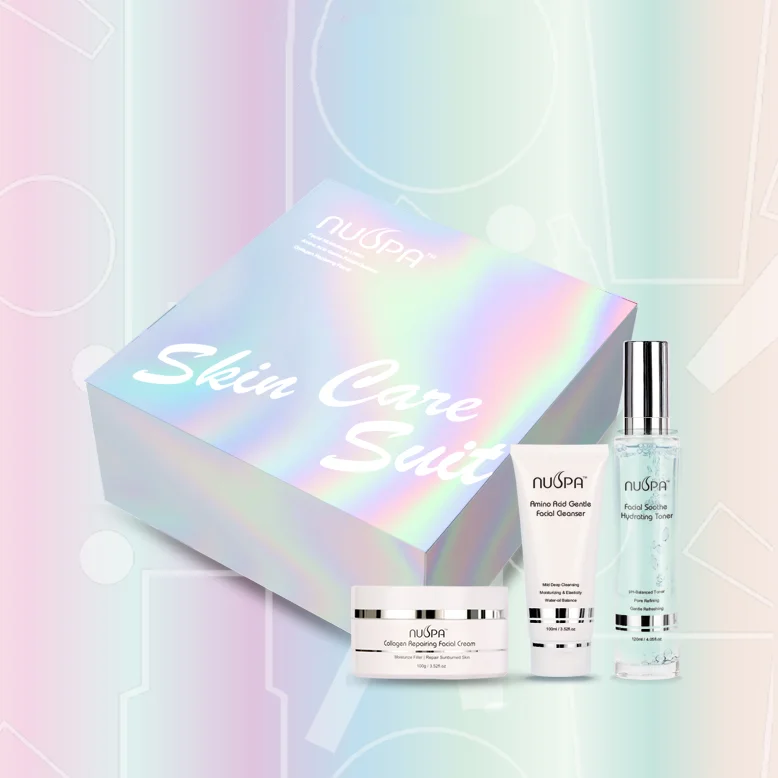
Real SKUs you can request a quote on right now. Each is private label and OEM ready.
Need quality documents for an import?
We provide COA per batch, MSDS, INCI lists, and factory audit reports as standard. Send your destination market and we'll prepare the right document set.
Get a Quote