"What's your MOQ?" is the first question every founder asks a factory, and the answer is almost always more complicated than the number that comes back. MOQ depends on the formula, the packaging, the artwork, the shipping schedule, and a few hidden constraints suppliers don't volunteer until you're already negotiating.
Here's what's actually behind the number, and how to negotiate one that works for your launch budget.
What MOQ really means
MOQ (minimum order quantity) is the smallest production run a factory will accept. It's set by the economics of the production line: setting up a filling machine, sourcing raw materials, printing labels, and producing carton goods all have fixed costs. Below a certain quantity, the factory loses money on the run.
For cosmetics, you'll often see MOQ quoted three different ways: per SKU (e.g. "1,000 units of the serum"), per formula (e.g. "1,000 units total across all bottle sizes that share the formula"), or per packaging component (e.g. "the bottle has a 5,000-unit MOQ separately").
Why MOQ varies wildly between formulas
Three factors drive MOQ more than anything else:
- Raw material rarity. A formula using common ingredients (glycerin, hyaluronic acid, niacinamide) has lower MOQ because the factory already stocks them. A formula with rare actives (specific peptides, unusual plant extracts) requires the factory to order minimums from their suppliers, which pushes the MOQ up.
- Production line setup. Switching a filling line from one product to another costs time and money. The factory wants to amortize that across enough units to make it worthwhile.
- Packaging components. Custom bottles, custom caps, and custom box dies all have their own MOQ at the packaging supplier, which the factory passes through to you.
The hidden MOQ rules
Three things factories rarely volunteer until you're knee-deep in negotiation:
Packaging MOQ stacks. If the formula MOQ is 1,000 but the bottle has a 5,000-unit MOQ at the bottle supplier, you either pay for 5,000 bottles upfront or use stock packaging. We've seen first-time founders fall in love with custom bottles only to discover they'd have to commit to 5x their planned volume.
Artwork MOQ stacks too. Custom-printed boxes and labels typically have 1,000–3,000-unit minimums on the print run. If your formula MOQ is 500 but your label MOQ is 2,000, you're paying for 2,000 labels regardless of how many bottles you order.
Mixed-SKU MOQ is real but limited. Some factories let you split MOQ across SKUs that share a formula or a base. So 1,000 units of a serum could be 500 in 30ml and 500 in 50ml. Always ask.
Sample MOQ ranges by category
Rough ballpark for stock formulas with custom labels:
- Skincare serums and creams: 500–2,000 units per SKU
- Shampoo and conditioner: 1,000–3,000 units per SKU
- Body lotion and wash: 1,000–3,000 units per SKU
- Hair masks and treatments: 500–2,000 units per SKU
- Lipsticks and color cosmetics: 3,000–10,000 units per SKU
- Sunscreens (SPF tested): 5,000+ units per SKU
Custom formulations (ODM) push these numbers up by 2–5x. Custom packaging adds further constraints.
Negotiating MOQ
Five tactics that actually work:
- Bundle SKUs. Order three products from the same factory and you can often negotiate lower MOQ on each, because the factory cares about total order value.
- Use stock packaging. The single biggest MOQ multiplier is custom packaging. Pick a stock bottle the factory already has, save thousands of units of commitment.
- Pay for the convenience. Some factories will run smaller batches if you accept a 15–30% per-unit price premium. For early validation, this is often worth it.
- Commit to follow-up orders. If you can credibly commit to a second run within 90 days, factories often discount the first MOQ. Get this in writing.
- Walk. Sometimes the answer really is "this factory isn't right for your scale." Cheaper-looking factories with lower minimums often have worse QC. Find a partner sized for your launch.
The "low MOQ" trap
If a factory advertises 100-unit MOQ on hero products, look closely. Usually they mean 100 units of a stock product with their generic label, not your branded SKU. Real low-MOQ private label exists, but it almost always means stock packaging, stock formula, and limited customization.
What to ask for in your first quote
To compare MOQ apples-to-apples, ask every supplier for:
- MOQ per SKU at stock packaging
- MOQ per SKU at custom labels (and the cost difference)
- MOQ per SKU at fully custom packaging
- Per-unit cost at MOQ, 2x MOQ, 5x MOQ
- Lead time at each tier
This single ask reveals more about the factory than any other question. Suppliers who can't break it out cleanly aren't ready to be your manufacturing partner. For a deeper look at how to vet factories, see our factory evaluation checklist.
The bottom line
MOQ isn't just a number, it's a function of how customized your product is and how willing you are to commit. Go fully custom and you're committing to thousands of units of artwork, bottles, and labels. Stay close to stock and you can launch with hundreds. Pick the level of customization that matches the scale you can actually sell through.
Ready to order
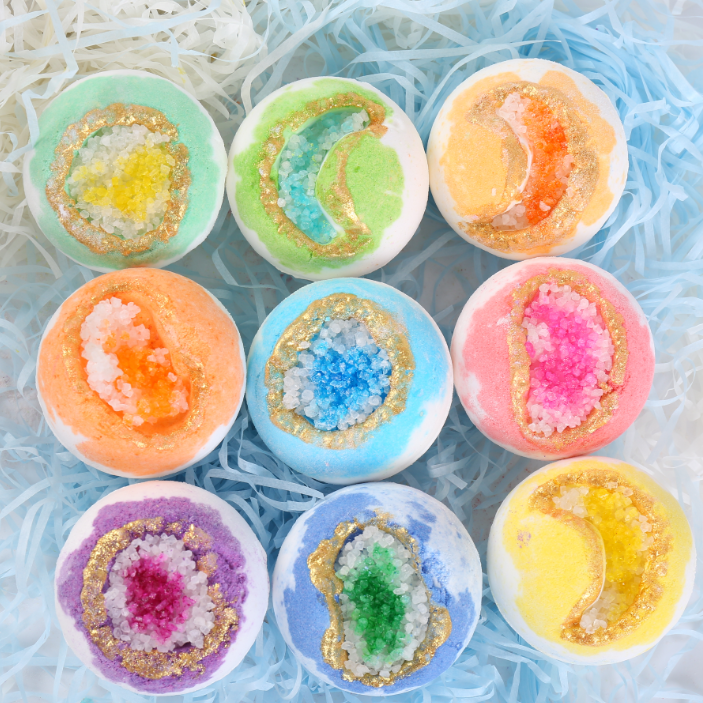
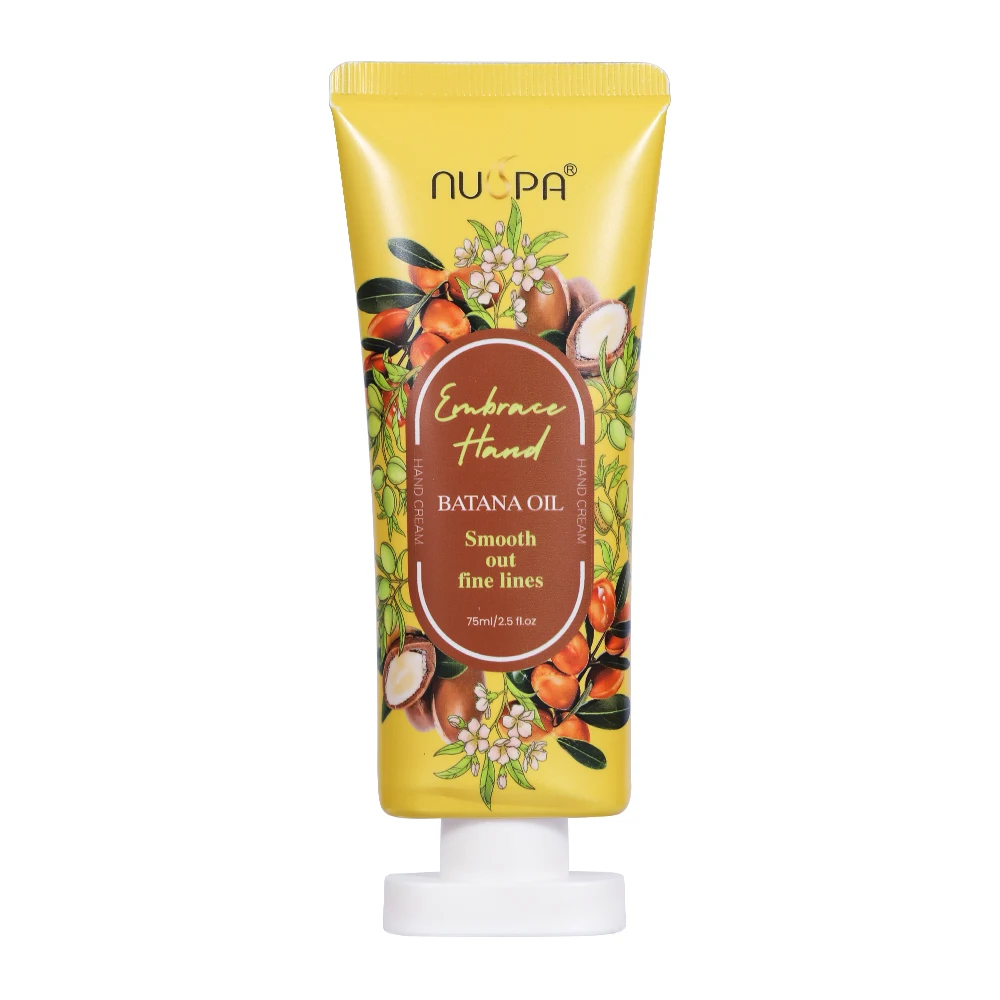
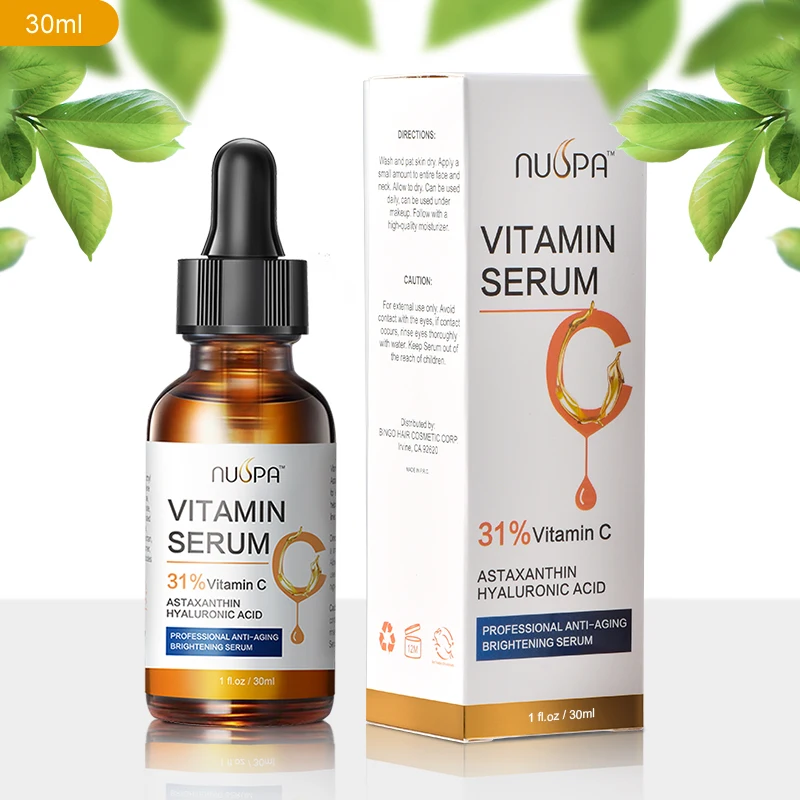
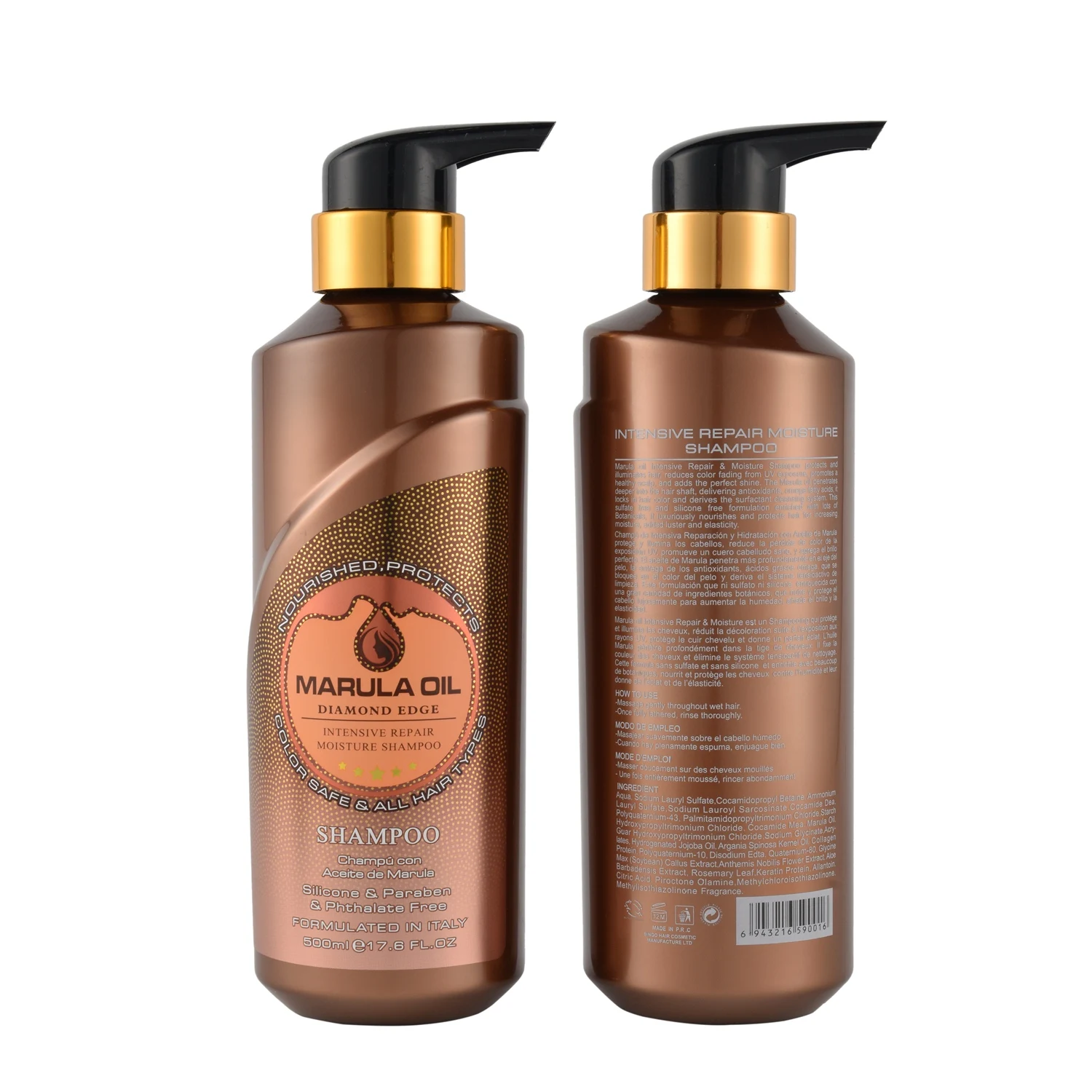
Products mentioned in this guide
Real SKUs you can request a quote on right now. Each is private label and OEM ready.
Need a quote with your real MOQ?
Send us your product and target volume. We'll come back with MOQ at stock packaging, custom labels, and full custom, so you can compare apples-to-apples.
Get a Quote