Every founder asking about cosmetic manufacturing eventually hits the same three letters: OEM, ODM, private label. The terms get used interchangeably online, but factories use them to mean specific things, and picking the wrong one means paying for capabilities you don't need or missing capabilities you do.
The 30-second answer
- Private label: factory's formula, your brand. Fastest, cheapest, lowest control.
- OEM: your formula or spec, factory manufactures it. Mid-cost, mid-control, mid-lead-time.
- ODM: factory develops a custom formula with you. Highest cost, longest lead time, full control.
If you're launching your first product, private label is almost always the right answer. If you're scaling a brand that's hit product-market fit, OEM gives you control without R&D costs. ODM is for brands with a real differentiation story to tell.
Private label, in detail
Private label means picking a formula the factory already produces (often a "stock formula" they sell to dozens of brands), then putting your brand identity on top: your label, your box, your fragrance choice, sometimes your color. The formula itself is shared.
This sounds like a downside until you remember that hundreds of successful skincare brands sell the same hyaluronic acid serum from the same five factories. Customers don't shop on formula uniqueness, they shop on brand, story, and experience. If your brand is strong, private label is more than enough.
Best for: first-time founders, fast launches, brands that compete on storytelling, retail-ready kits.
Typical MOQ: 500–3,000 units per SKU.
Typical lead time: 30–45 days from approval to ship.
OEM, in detail
OEM (Original Equipment Manufacturer) means you bring the formula, the factory makes it. Maybe you have a chemist who developed your formula. Maybe you found a cult product abroad and want the factory to match it. Maybe you have a benchmark from your own R&D.
The factory's chemist will look at your spec, source the actives, set up the production line, and run it. Lead times are longer because the formula needs to be validated and tested at scale. MOQ is usually higher because the factory has to commission specific raw materials.
Best for: brands with their own formulators, brands matching a benchmark product, second products from a brand that started with private label.
Typical MOQ: 3,000–10,000 units per SKU.
Typical lead time: 60–90 days from approval to ship.
ODM, in detail
ODM (Original Design Manufacturer) means the factory develops the formula with you, from a brief. You describe what you want — the texture, the actives, the claim ("a serum that absorbs in 10 seconds and leaves no residue") — and the factory's chemists develop it. You collaborate on iterations, smell tests, stability tests, the whole development cycle.
This costs the most and takes the longest, but you end up with a formula that's truly yours. You can claim differentiation that private-label brands can't.
Best for: established brands, premium positioning, brands with a unique product story or active ingredient.
Typical MOQ: 5,000–20,000 units per SKU.
Typical lead time: 4–9 months from brief to first shipment.
Side-by-side comparison
| Factor | Private Label | OEM | ODM |
|---|---|---|---|
| MOQ | 500–3,000 | 3,000–10,000 | 5,000–20,000 |
| Lead time | 30–45 days | 60–90 days | 4–9 months |
| Formula control | Low | High | Full |
| Cost per unit | Lowest | Mid | Highest |
| Differentiation | Brand only | Spec-driven | Full custom |
How to pick
Pick private label if any of these are true: this is your first product, you're launching in under three months, your budget is under $15,000, your differentiation is brand and audience rather than formula.
Pick OEM if you have a chemist or formulator on your team, you're matching a specific benchmark product, or you've already proven demand with a private-label V1 and want to upgrade the formula.
Pick ODM if you have a story that depends on a unique active or texture, you're positioning at premium price points, you have 6+ months of runway, and you've validated demand. ODM is rarely the right starting point.
The pragmatic founder's path
Most successful brands we work with start with private label, prove demand with V1, then move to OEM for V2 with formulation tweaks. They only invest in ODM once the brand is generating real revenue and the differentiation story has commercial value. Don't pay for ODM until your customers are asking for what only ODM can deliver.
The hybrid play
You don't have to pick one and stick with it. A common pattern: launch a 4-product routine where the cleansing and toning steps are private label (price-sensitive, commodity formulas) and the serum is OEM (the hero product where formula matters most). This lets you control costs on the low-margin SKUs and invest where it counts.
For the full breakdown of how to start with private label and grow into OEM, see our private label launch playbook. For when ODM actually pays off, see our guide to custom cosmetic formulations.
Ready to order
Products mentioned in this guide
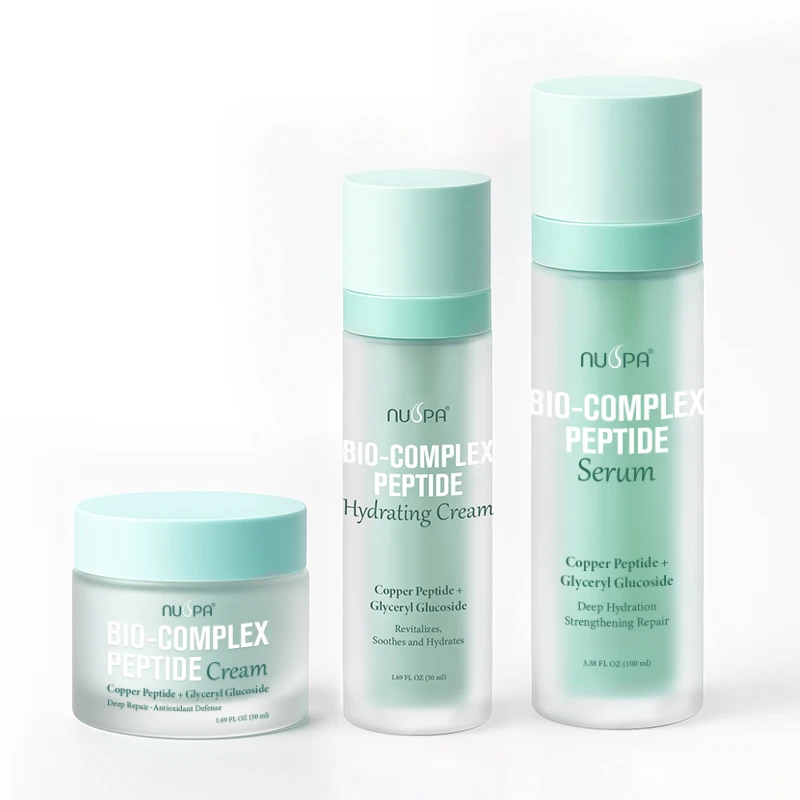
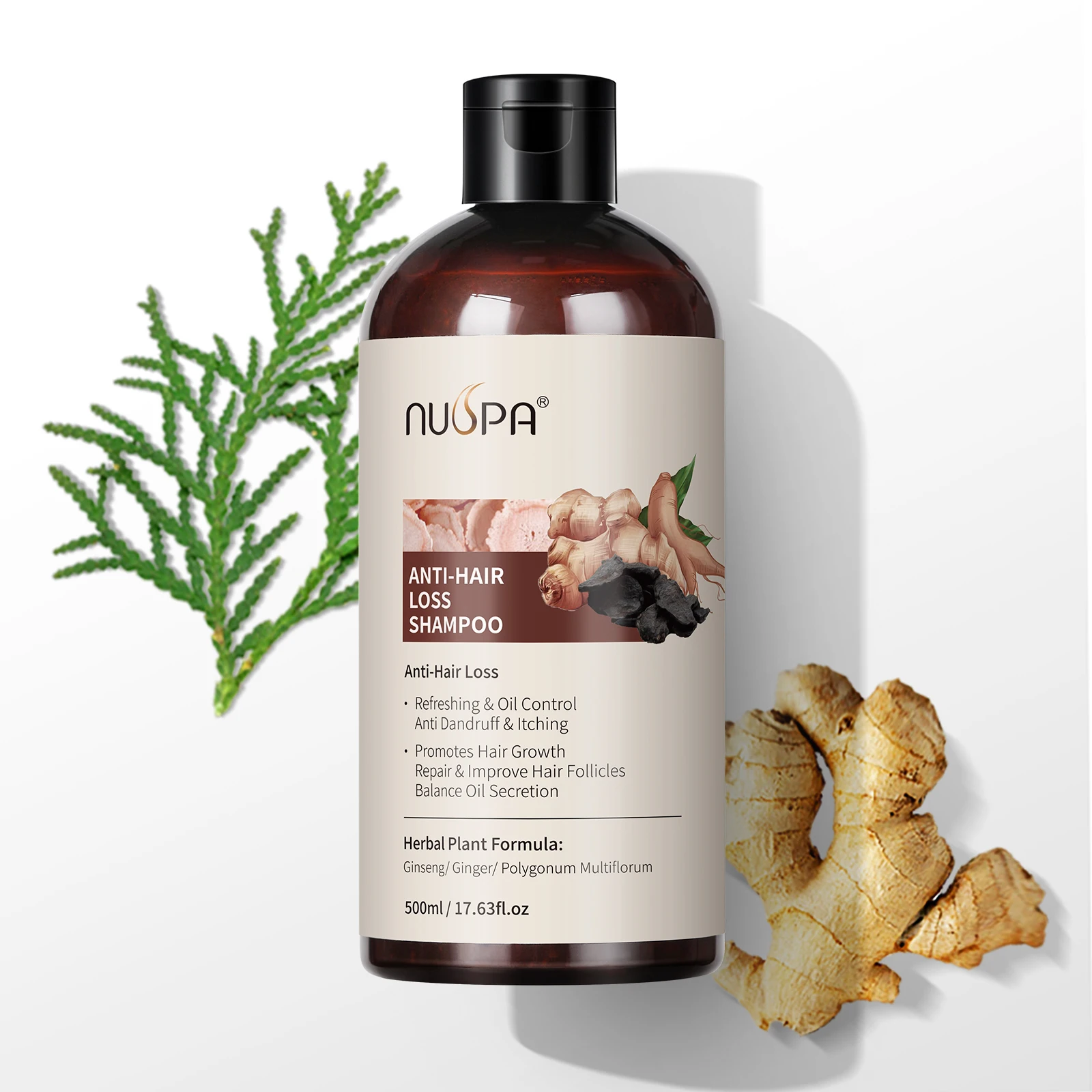
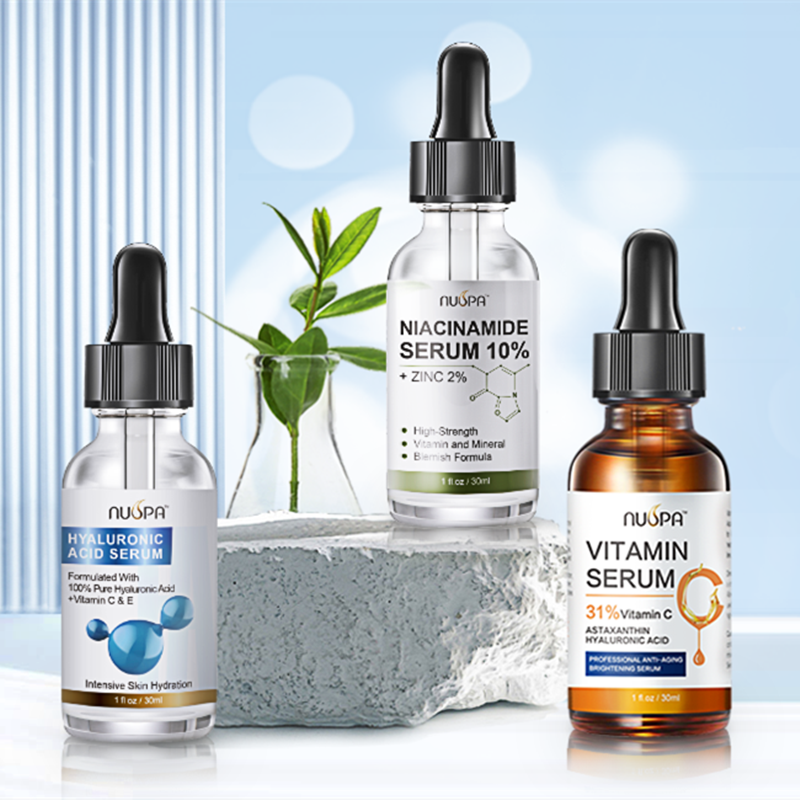
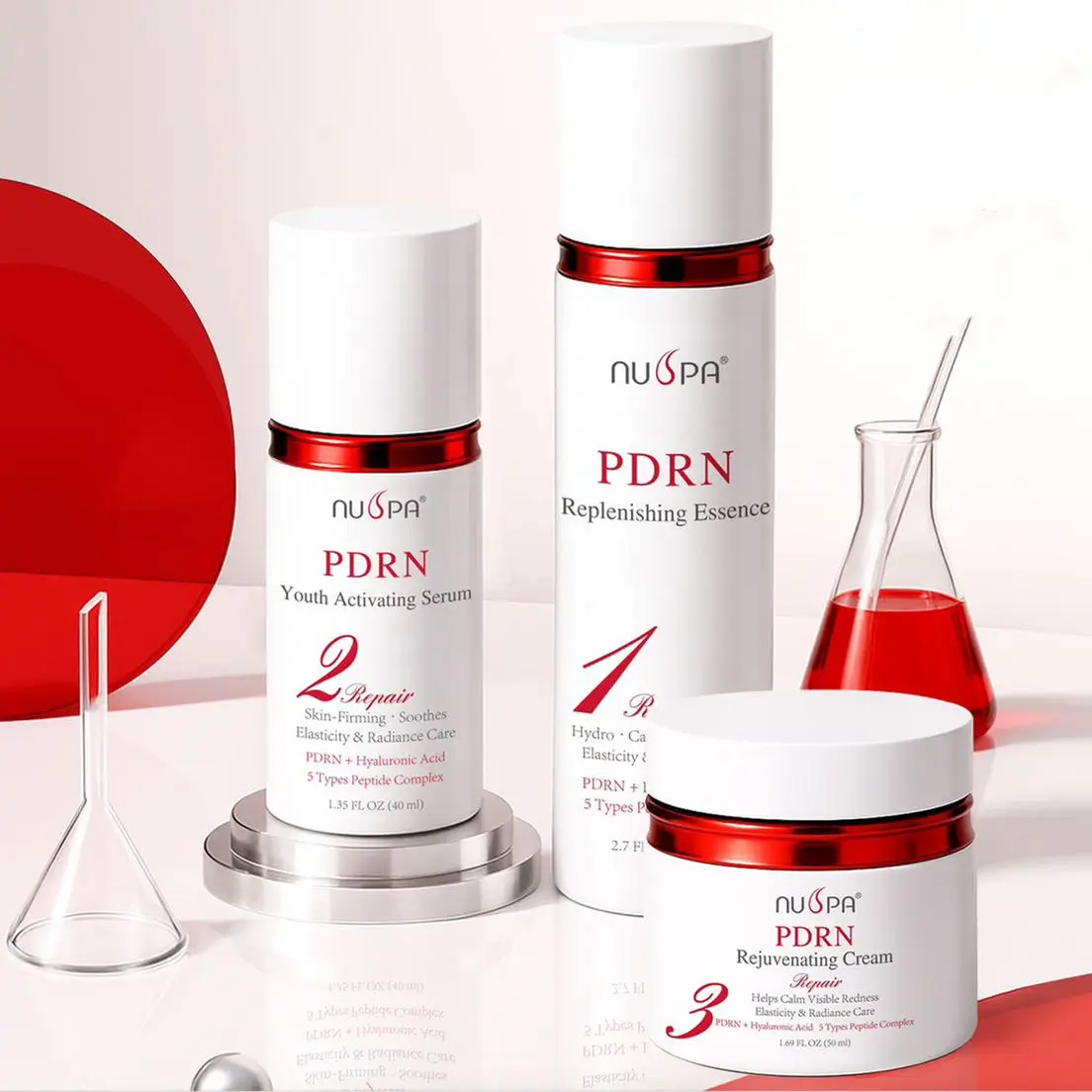
Real SKUs you can request a quote on right now. Each is private label and OEM ready.
Not sure which route is right for you?
Send us your product idea, target market, and budget. We'll tell you whether private label, OEM, or ODM makes the most sense, and quote it accordingly.
Get a Quote