Starting a private label cosmetics brand looks easy on social media. Pick a formula, slap a label on it, ship. In practice, founders hit the same wall around week six: a sample arrives that smells different than expected, the bottle they liked has a six-month lead time, and the MOQ they were quoted just doubled because they wanted custom artwork.
This guide walks through the real path, the choices each step forces you to make, and the budget you should actually plan for if you want a launch you don't regret.
The honest cost of starting
For a single-product launch (say, a hair serum or a face cream) with custom labels and stock packaging, plan for $3,000 to $8,000 in product cost at minimum order quantity, plus $500 to $1,500 in samples and freight. A full routine launch (3–5 products) lands closer to $15,000 to $30,000.
Most founders underestimate three line items: sample fees ($30 to $150 per sample, multiplied by every formula and packaging variant), artwork prep ($200 to $800 if you need a designer), and import duties (varies by country, but plan for 10–20% of the landed cost).
Step 1: Pick your category and resist scope creep
The single biggest mistake founders make is launching too many products at once. A brand with one strong serum will outsell a brand with eight mediocre SKUs every time. Start with the product your audience already asks you about, or the one closest to your own routine.
If you're undecided, the categories with the most forgiving MOQ and fastest sample turnaround are skincare serums, hair masks, body lotions, and shampoo. Lipsticks, foundations, and sunscreens require regulatory testing and longer lead times.
Step 2: Find a real factory, not a trader
About half of "manufacturers" you find on Alibaba are trading companies who outsource production to factories you'll never meet. There's nothing inherently wrong with traders, but the markup is real and the communication chain is longer when something goes wrong.
Signs you're talking to a real factory: they can send you a video tour of the production line, they can name the specific filling and labeling machines they use, they have ISO 22716 or GMPC certification (or can show you the audit report), and they have a chemist you can speak to about your formula. We cover this in detail in our factory evaluation checklist.
Step 3: Pick a formula or build one
You have three routes here, and they're worth understanding before you talk to suppliers:
- Private label: use an existing factory formula, just put your brand on it. Fastest, cheapest, lowest MOQ. Best for first-time founders.
- OEM: bring your own formula or a benchmark product to match. The factory manufactures to your spec.
- ODM: develop a custom formula together. Highest cost, longest lead time, most differentiation.
For most launches, private label is the right call. You can always move to ODM for V2 of the product once you've proven demand. Read more in our OEM vs ODM vs Private Label breakdown.
Step 4: Lock the packaging
Packaging usually takes longer than the formula. Stock packaging (bottles and jars the factory keeps in inventory) ships in 2–3 weeks. Custom packaging (your own bottle shape, custom color, custom box) takes 6–10 weeks.
If you're under time pressure, use stock packaging with a custom label and box. Customers care more about how the product looks on the outside than whether the bottle shape is unique to you.
The packaging trap
Most first-time founders pick a beautiful custom bottle and learn three weeks later that it has a 5,000-unit MOQ on its own, separate from the formula MOQ. Always ask about packaging MOQ before you fall in love with a design.
Step 5: Sample, sample, sample
Never skip the sample stage. Order samples of the formula in the actual packaging you plan to use. Test the texture, the fragrance, how the pump or dropper works, how the label adheres, whether the box is the size you expect. Sleep on it for a week, then re-test.
Common surprises at sample stage: the fragrance is stronger or weaker than expected, the color shifts in real light, the bottle feels cheaper in hand than in the photo, the dropper drips inconsistently. All of these are fixable, but only if you catch them before the production run.
Step 6: Compliance for your destination market
Every country has its own cosmetic regulations. The factory handles ingredient compliance from the manufacturing side, but you are responsible for what's allowed in the country where you sell. The EU bans different ingredients than the US, the GCC has its own list, ASEAN has another.
Before production, confirm: is the formula compliant in your destination market, what does the label need (language, importer info, INCI list), are there any actives that require additional registration. We break this down by region in our cosmetic compliance guide.
Step 7: First production run
Once samples are approved and artwork is locked, production typically takes 30–45 days for stock packaging or 60–90 days for custom. The factory produces the formula, fills the containers, applies labels, and packs the cartons.
Before shipping, ask for a pre-shipment inspection. The factory or a third-party inspector opens cartons, checks fill weights, looks for label defects, and confirms the count. This costs $200–$400 and saves you from receiving a container of unsellable product.
Common mistakes to avoid
- Launching too many SKUs. One great product beats five average ones.
- Skipping samples to save time. The week you save costs three months when production goes wrong.
- Negotiating only on price. Lead time, payment terms, and QC matter more than $0.05 per unit.
- Ignoring import duties. They're real and they hurt margin.
- Not visiting the factory (or hiring someone who has). Sites lie. Photos lie. Floors don't.
Realistic timeline
From first inquiry to inventory in your warehouse:
- Week 1–2: brief, supplier shortlist, first quotes
- Week 2–4: sample formulas and packaging
- Week 4–6: approve samples, finalize artwork, pay deposit
- Week 6–10: production run
- Week 10–12: QC, balance payment, freight
If you're using custom packaging, add 4–6 weeks. If you're doing ODM with custom formulation, add another 4–8 weeks. We covered the full timeline in our private label launch timeline guide.
Bottom line
Starting a private label brand isn't hard if you treat it like a real supply chain decision instead of a side project. The founders who succeed are the ones who pick one product, find a real factory, sample obsessively, and don't cut corners on QC. The ones who struggle are the ones who tried to launch six products in three months on a $5,000 budget.
If you have a brief and want to know what it would actually cost to make, send it over. We'll come back with real numbers and a realistic timeline within 48 hours.
Ready to order
Products mentioned in this guide
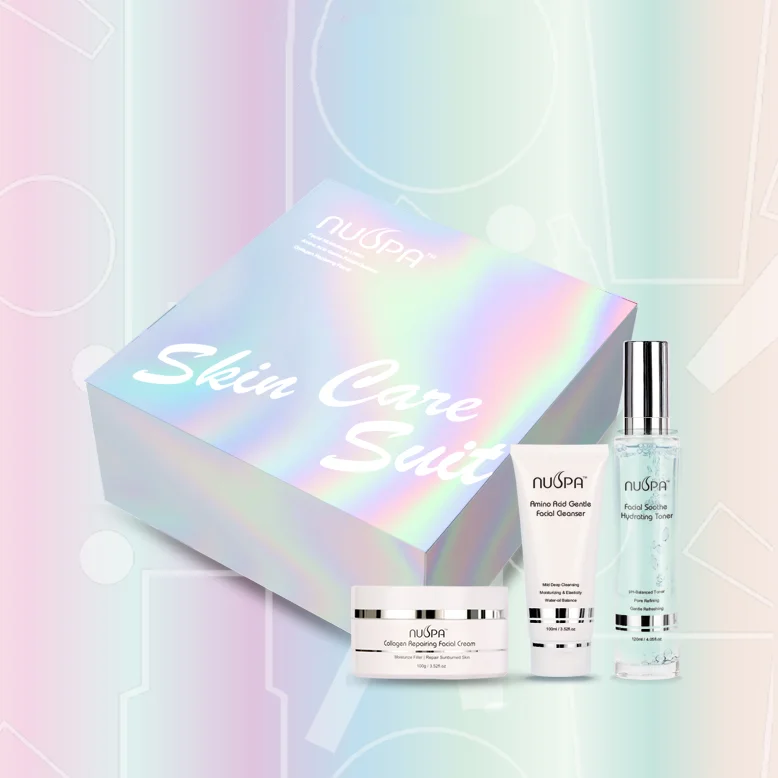
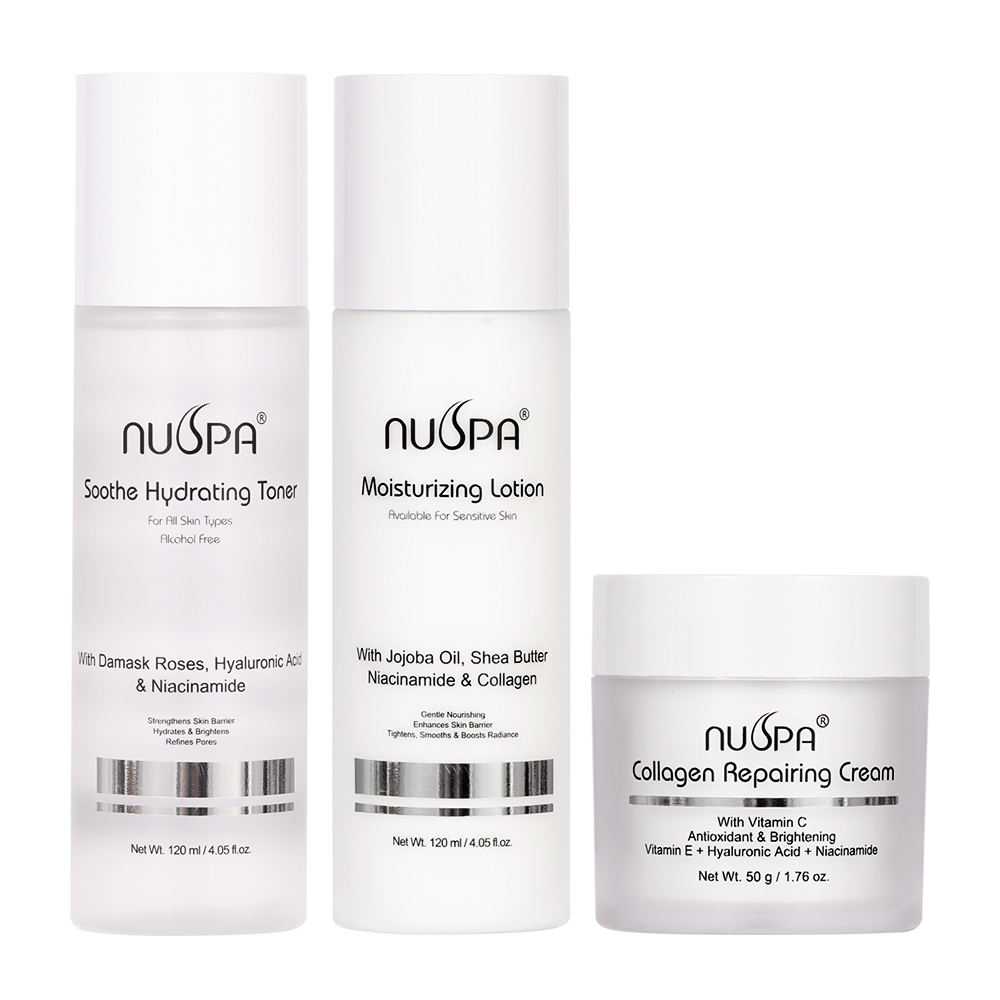
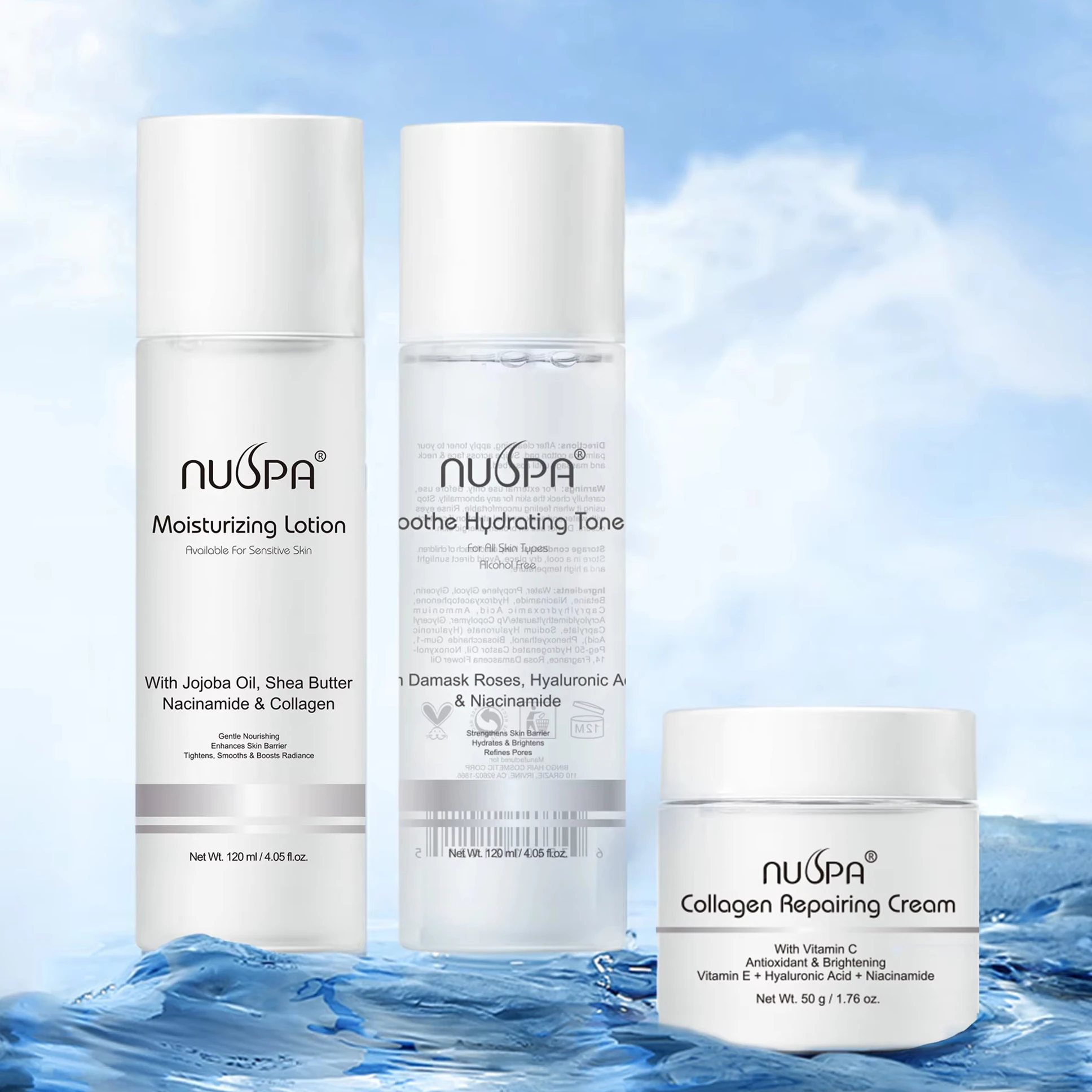
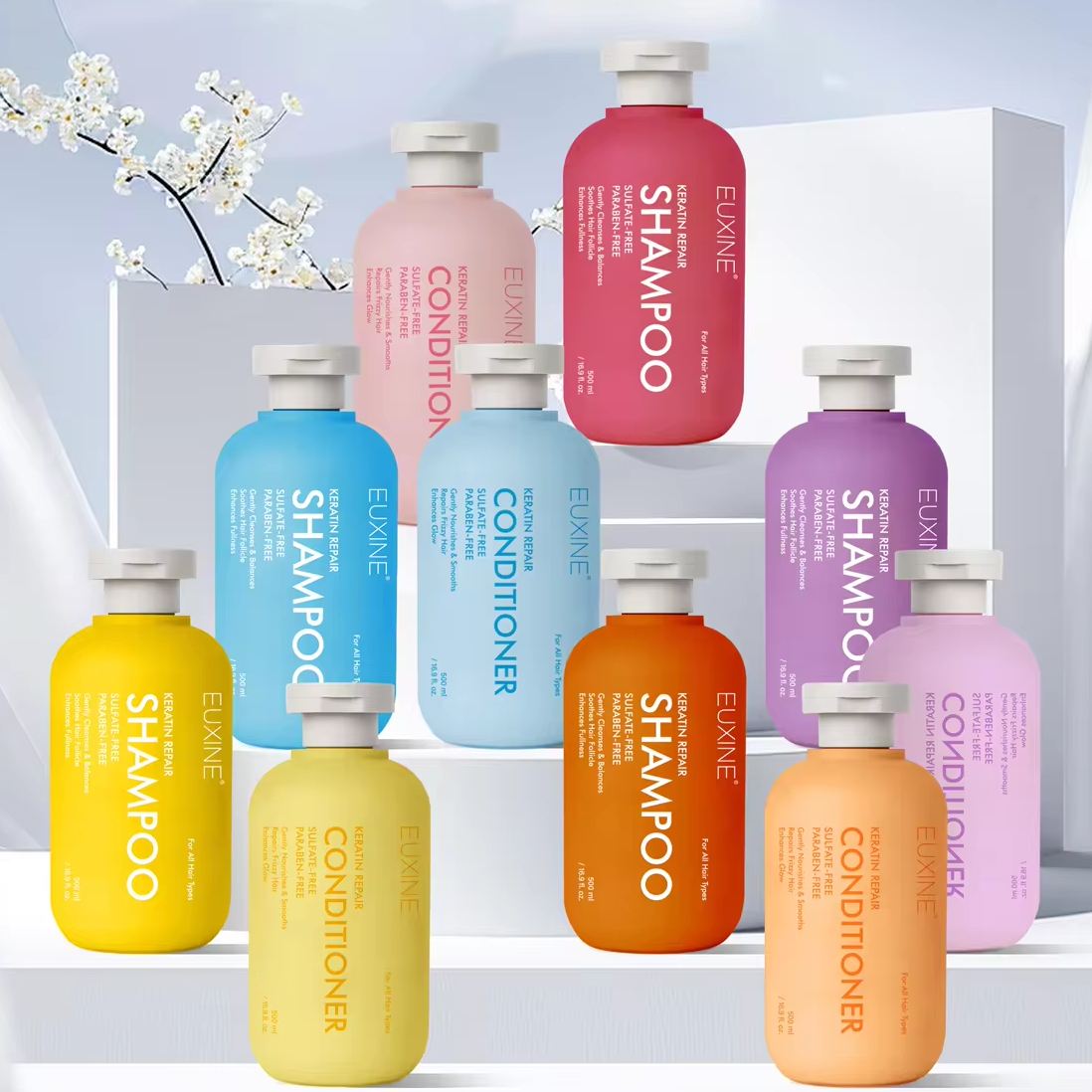
Real SKUs you can request a quote on right now. Each is private label and OEM ready.
Got a brief? We'll quote it in 48 hours.
Send us your product, target quantity, packaging idea, and destination market. We'll come back with MOQ, pricing, lead time, and a sample plan.
Get a Quote