ODM (Original Design Manufacturer) sounds glamorous: "we developed our own formula." For most early-stage brands, it's also expensive, slow, and unnecessary. Here's how to know if your brand actually needs ODM, or if a private-label tweak gets you 90% of the way there for a tenth of the cost.
What ODM actually involves
ODM means the factory's chemists develop a formula with you, from a brief, instead of starting from a stock formula. You provide the goals (texture, actives, claim, target price). They iterate through formula versions, stability testing, and sensory testing until you approve.
A typical ODM cycle:
- Brief and concept (1–2 weeks)
- First formula trial (3–4 weeks)
- Iterations on texture, fragrance, claims (4–8 weeks)
- Stability testing (8–12 weeks, runs in parallel with iterations)
- Microbial preservation testing (4 weeks)
- Sample approval, packaging match, scale-up (4–6 weeks)
End-to-end: 4–9 months. Plus production. Plus shipping.
The cost
ODM development fees vary widely. Common patterns:
- Development fee waived if you commit to a multi-year exclusivity at minimum volume. Most factories prefer this.
- $3,000–$15,000 development fee for one product if you don't commit to exclusivity.
- Higher MOQ for ODM (typically 5,000–20,000 units per SKU) because the factory needs to amortize development.
- Higher per-unit cost at first, often dropping for repeat orders.
When ODM is worth it
Custom formulation pays off when at least one of these is true:
- You have a real differentiation story. "First sleeping mask with X% Y peptide" is a story. "Our serum is just like Drunk Elephant" isn't.
- Your audience cares about formulation. Korean skincare buyers often care. Mass-market body wash buyers usually don't.
- You're at premium price points. A $90 serum can absorb the development cost. A $12 face wash can't.
- You've validated demand with private label V1. Don't develop a custom formula for a product you haven't sold yet.
- You have IP defensibility goals. Custom actives or processes can be protected; stock formulas can't.
When to skip ODM
Skip and go private label if:
- This is your first product. Validate first.
- You're competing on price or convenience, not formulation.
- Your audience shops on brand and aesthetic, not actives.
- Your runway is under 9 months.
- You can't articulate what's different about your formula in one sentence.
The hybrid strategy
Most successful brands we work with use this pattern:
- V1 launch (private label). Use a stock formula with custom branding. Validate that customers buy. Learn what they actually like and dislike.
- V2 upgrade (OEM). Take the formula spec to the factory and modify specific aspects (lower fragrance, add a vitamin, switch the preservative system). This is OEM, not ODM, and costs much less.
- V3 differentiation (ODM). Once you have real revenue and a real customer base, develop a truly custom formula that you can market as your own.
This staged approach reduces upfront risk and lets you spend ODM development money only when you've earned the right to.
Working with cosmetic chemists
If you do go ODM, the factory chemist is your most important relationship. To get good work out of them:
- Bring concrete benchmarks. "Texture like X product, fragrance closer to Y product, but with Z active at higher percentage" works far better than "make me a great serum."
- Be specific about your customer. Skin type, age range, climate, use case. Chemists optimize differently for hot-humid vs cold-dry markets.
- Test in your environment. A cream that feels perfect in a 22°C lab can feel sticky in a 35°C summer. Always test in the climate where customers will use it.
- Document everything. Approval emails, formula version numbers, fragrance batch numbers. When V2 is needed, you want to know exactly what V1 was.
The exclusivity question
Many factories will offer formula exclusivity (they won't sell that exact formula to other brands) in exchange for minimum volume commitments. This is worth pursuing if you're investing real development effort. Without exclusivity, your "custom" formula can show up under a competitor's label six months later.
For more on choosing the right manufacturing route, see our OEM vs ODM vs Private Label comparison.
Bottom line
ODM is a multiplier when you've already proven demand and have a real differentiation story. It's a money pit when you use it as a substitute for understanding your market. Validate with private label, refine with OEM, then differentiate with ODM only when you have customers asking for what only ODM can give you.
Ready to order
Products mentioned in this guide
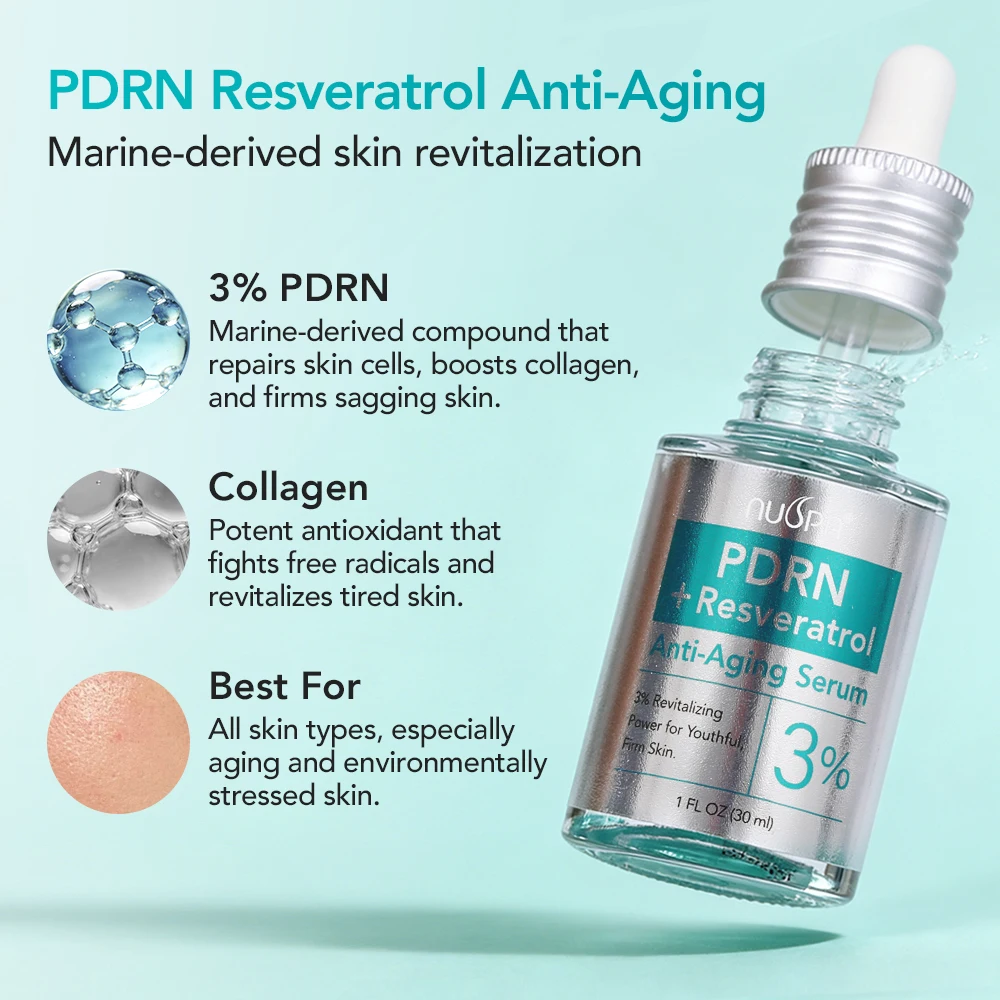
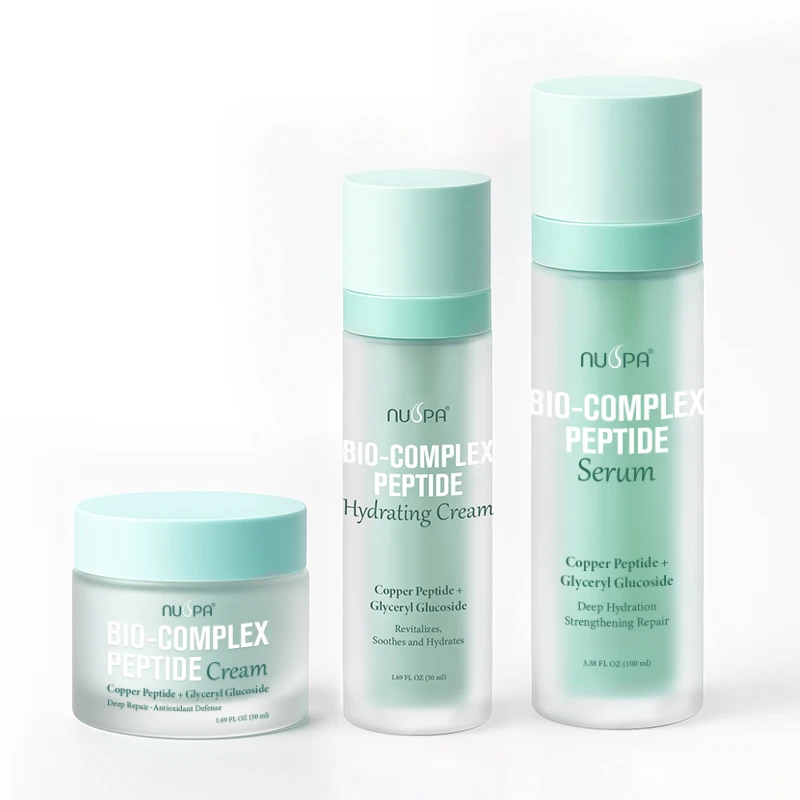
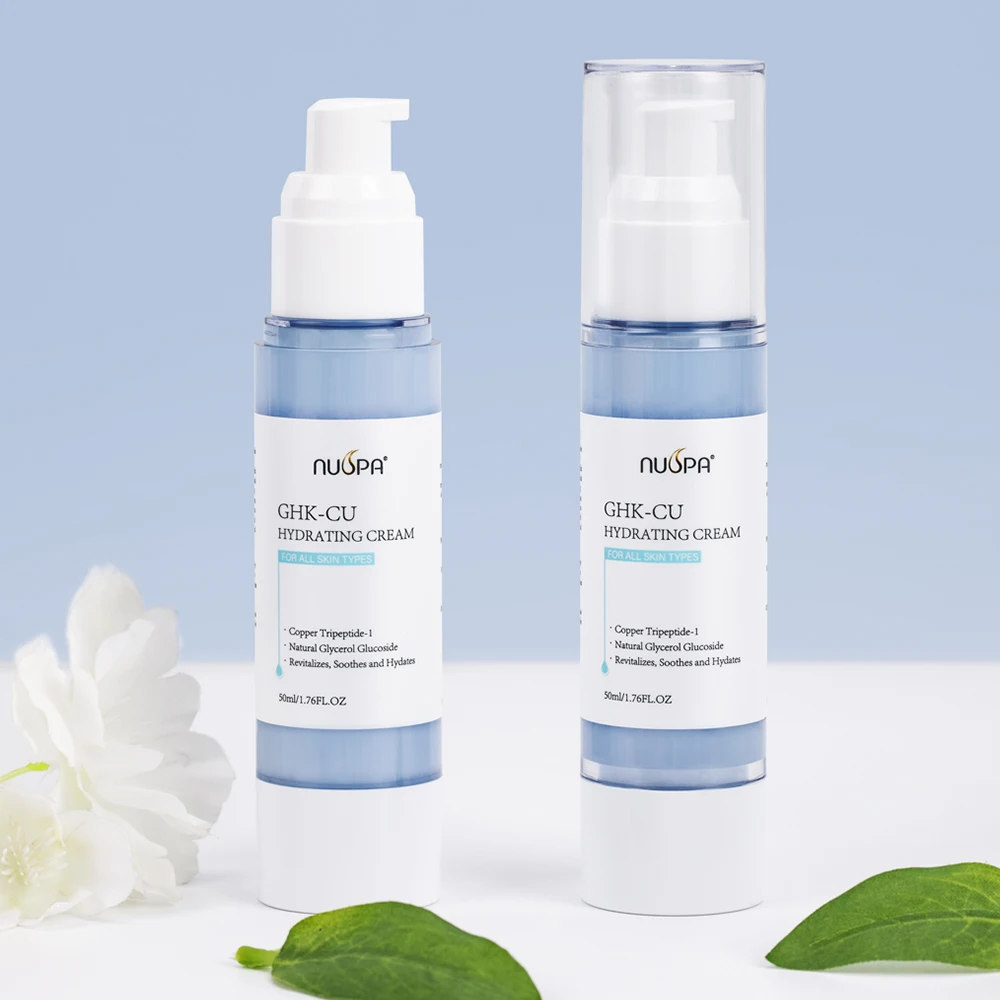
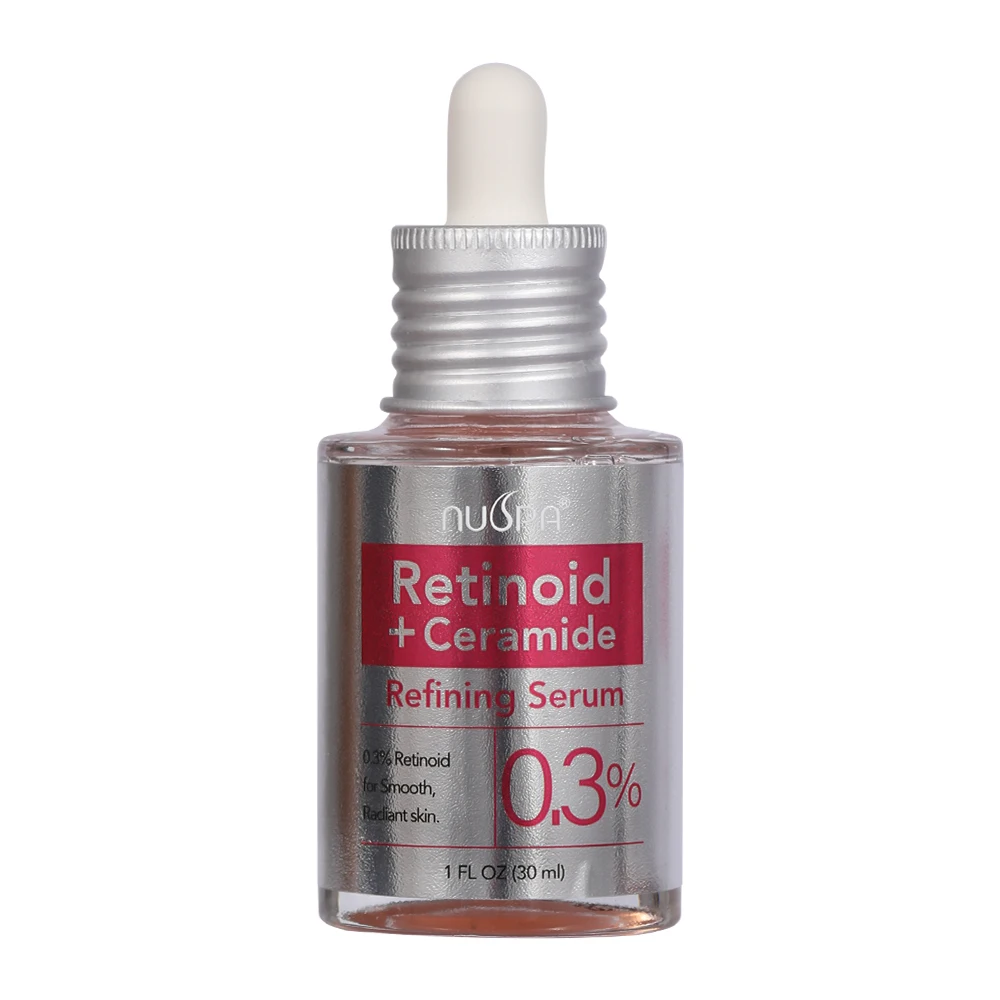
Real SKUs you can request a quote on right now. Each is private label and OEM ready.
Considering ODM?
Send us your concept and target market. We'll tell you whether ODM, OEM, or private label makes the most sense for your stage.
Get a Quote